
Aluminum Honeycomb Panel vs Marine Plywood vs MDF
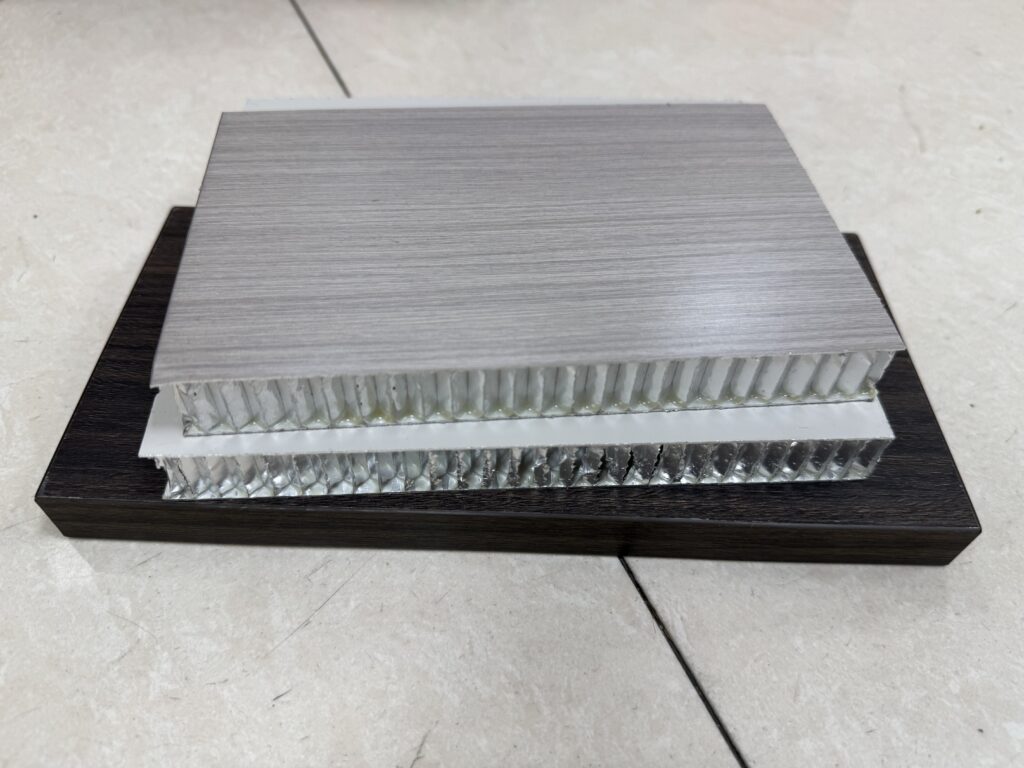
Aluminum Honeycomb Panel
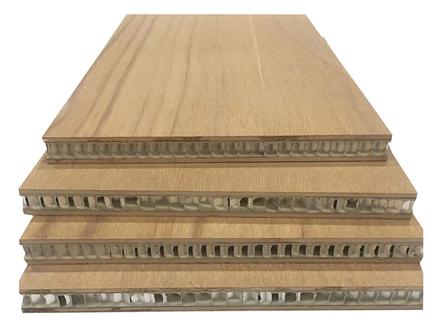
Marine Plywood
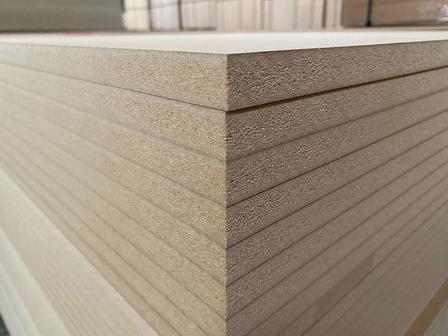
MDF
Choosing the right panel material is an important decision for cabinets, furniture and interior projects, especially when weight, moisture and long-term dimensional stability matter.
Aluminum honeycomb panels, laminated marine plywood and MDF are all used in cabinet and furniture manufacturing, but their structures and material properties are very different.
This guide compares these three materials to help buyers, furniture manufacturers and project contractors choose the right panel for their application.
Aluminum Honeycomb Panel vs Marine Plywood vs MDF: Quick Comparison
| Feature | Aluminum Honeycomb Panel | Marine Plywood | MDF |
|---|---|---|---|
| Basic Structure | Aluminum face sheets + aluminum honeycomb core | Multiple layers of wood veneer | Compressed wood fibers with resin |
| Weight | Lightweight | Heavier | Heavier |
| Moisture Resistance | Aluminum structure is highly resistant to moisture | Better moisture resistance than standard plywood, depending on grade and treatment | Standard MDF is sensitive to prolonged moisture unless moisture-resistant grade is used |
| Dimensional Stability | High dimensional stability | Can change with moisture and environmental conditions | Can swell or deform when exposed to excessive moisture |
| Formaldehyde Consideration | Depends mainly on adhesives and other composite materials used | Depends on adhesive/resin system and product grade | Depends on resin system and emission grade |
| Large Panel Rigidity | Honeycomb sandwich structure provides high rigidity at low weight | Depends on thickness and construction | Depends on thickness and density |
| Typical Applications | Cabinets, furniture, RV, marine and lightweight interiors | Cabinets, marine joinery and furniture | Indoor cabinets and furniture |
There is no single panel material that is best for every project. The right choice depends on the application, environment, weight requirements, processing method and project specifications.
What Is an Aluminum Honeycomb Panel?
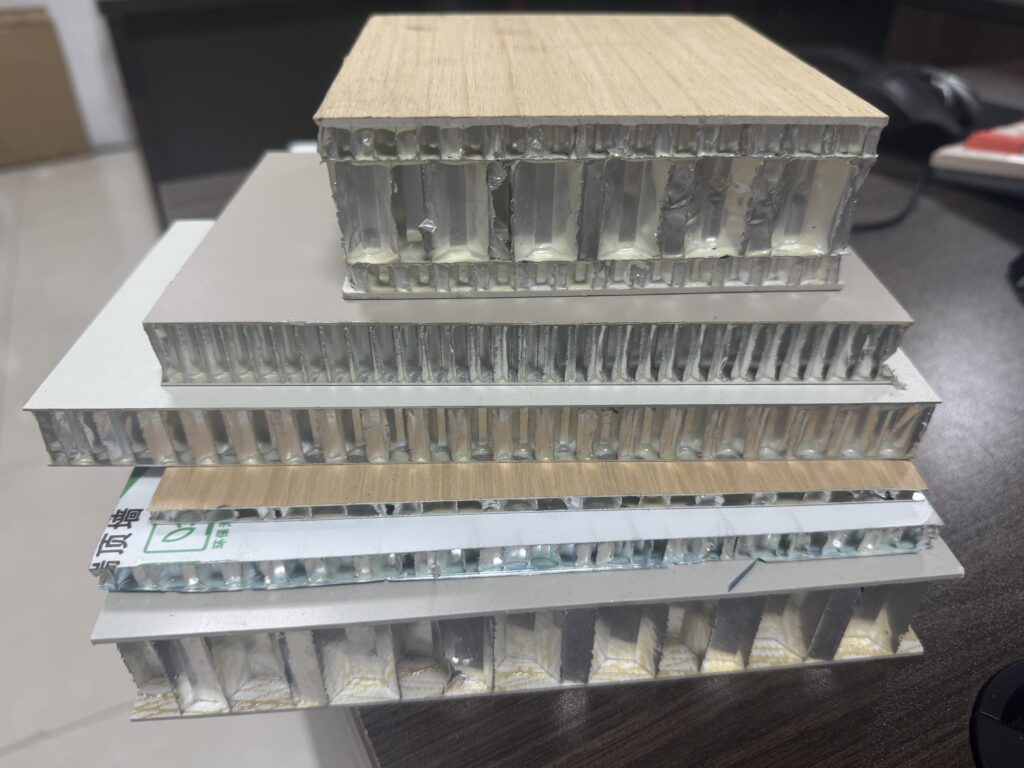
An aluminum honeycomb panel is a sandwich-structured composite panel made with aluminum face sheets bonded to an aluminum honeycomb core.
The hexagonal honeycomb structure provides structural support while using relatively little material. This allows the panel to maintain good rigidity without the weight of a solid panel of similar thickness.
For cabinet and furniture applications, aluminum honeycomb panels can be used for cabinet bodies, doors, partitions and other components where lightweight construction and dimensional stability are important.
What Is Marine Plywood?
Marine plywood is manufactured from multiple layers of wood veneer bonded together with moisture-resistant adhesive systems.
Compared with standard plywood, marine-grade plywood is designed for applications where improved resistance to moisture is required.
However, it remains a wood-based material. Its actual performance depends on the plywood grade, veneer quality, adhesive system, surface protection and the environment in which it is used.
What Is MDF?
MDF, or Medium-Density Fiberboard, is an engineered wood panel made from wood fibers combined with resin and compressed into sheets.
It provides a smooth and consistent surface and is widely used for indoor furniture and cabinetry.
Standard MDF can be sensitive to prolonged moisture exposure. Moisture-resistant MDF grades are also available, so buyers should confirm the specific grade and technical specifications rather than treating all MDF products as having the same performance.
Weight Comparison
Weight is one of the major differences between aluminum honeycomb panels and solid wood-based panels.
The honeycomb structure uses a lightweight core between the face sheets, reducing the amount of material required inside the panel while maintaining rigidity.
This can make aluminum honeycomb panels particularly useful for projects where reducing overall weight is important, including lightweight furniture, RV interiors, marine interiors and movable cabinet systems.
Marine plywood and MDF are solid wood-based panels and are generally heavier at comparable panel dimensions, although actual weight varies according to thickness, density and product grade.
Moisture Resistance and Dimensional Stability
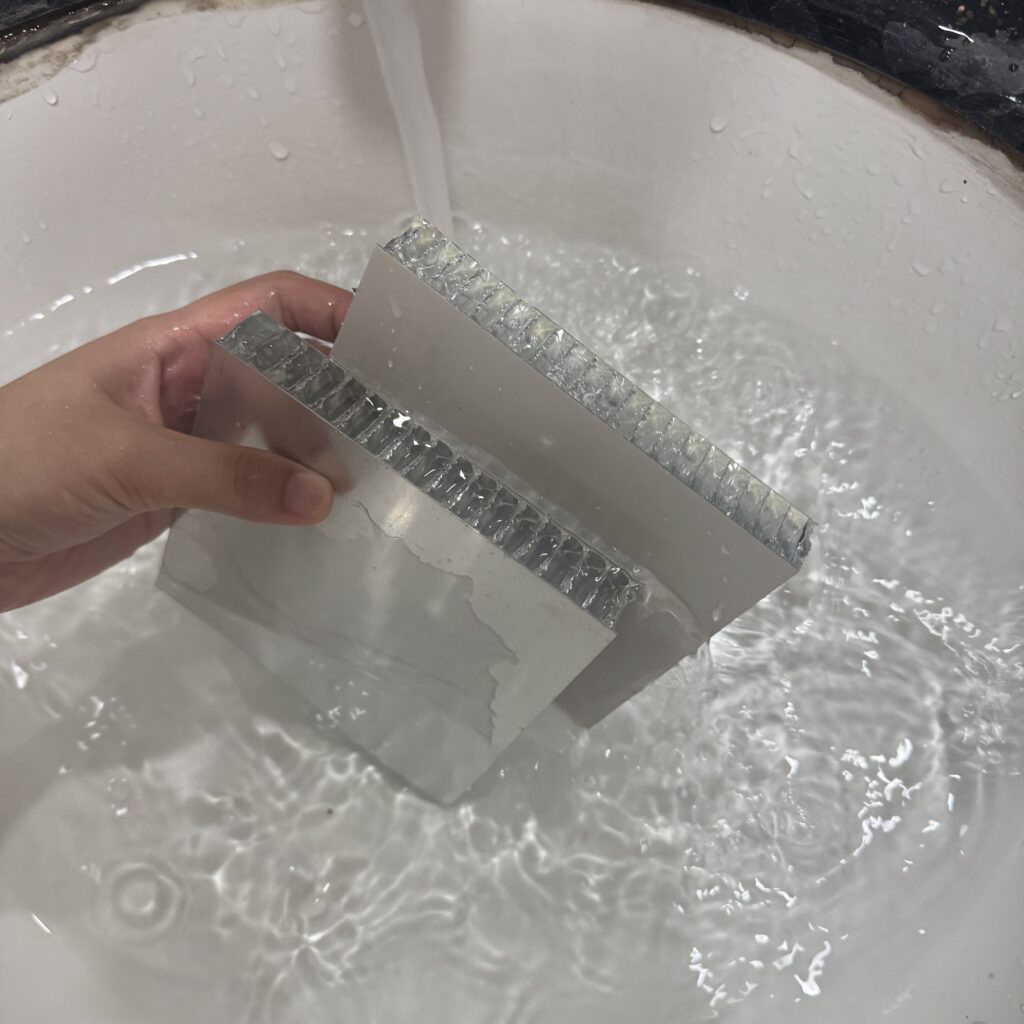
Moisture is an important consideration when choosing materials for kitchens, bathrooms, marine interiors and other humid environments.
Aluminum itself does not absorb water like wood fibers. As a result, an aluminum honeycomb structure is well suited to applications where moisture resistance and dimensional stability are important.
Marine plywood is specifically designed to provide better moisture resistance than ordinary plywood, but its performance still depends on the quality of the material, adhesive system, edge protection and exposure conditions.
Standard MDF can absorb moisture if it is not properly protected, which may cause swelling or dimensional changes. Moisture-resistant MDF grades can provide improved performance and should be evaluated separately.
Is Aluminum Honeycomb Panel Waterproof and Does It Warp in Humid Climates?
The aluminum face sheets and aluminum honeycomb core do not absorb moisture in the same way as conventional wood-based materials. This gives aluminum honeycomb panels an advantage for applications where humidity and dimensional stability are major concerns.
However, the performance of a finished panel also depends on its adhesive system, edge treatment, surface finish and manufacturing quality.
For projects exposed to high humidity or direct water contact, buyers should confirm the complete panel construction and project requirements rather than evaluating only the core material.
Formaldehyde Considerations
Formaldehyde performance is another factor buyers may consider when comparing cabinet and furniture panels.
MDF and plywood are manufactured using adhesive or resin systems, and formaldehyde emissions depend on the specific resin, product grade and applicable emission standard.
For aluminum honeycomb panels, the aluminum face sheets and aluminum honeycomb core themselves are metallic materials. However, the finished sandwich panel normally involves bonding materials, so formaldehyde performance should be evaluated according to the complete panel construction and available documentation.
For projects with specific formaldehyde emission requirements, buyers should request the relevant material specifications and test documentation before placing an order.
Which Material Is Better for Cabinets?
The answer depends on the cabinet application.
Choose Aluminum Honeycomb Panels When:
Lightweight construction is important.
The cabinet will be used in a humid or moisture-prone environment.
Dimensional stability is an important project requirement.
The project requires large, rigid panels with reduced weight.
The cabinet is intended for applications such as RVs, marine interiors or other lightweight projects.
Choose Marine Plywood When:
A wood-based panel is preferred.
The application requires better moisture resistance than ordinary plywood.
Existing manufacturing equipment and processes are designed around plywood.
Choose MDF When:
The project is primarily for dry indoor use.
A smooth surface for decorative finishing is important.
Weight and prolonged moisture exposure are not major concerns.
The required MDF grade meets the project’s emission and performance requirements.
Aluminum Honeycomb Panels for Cabinet and Furniture Projects
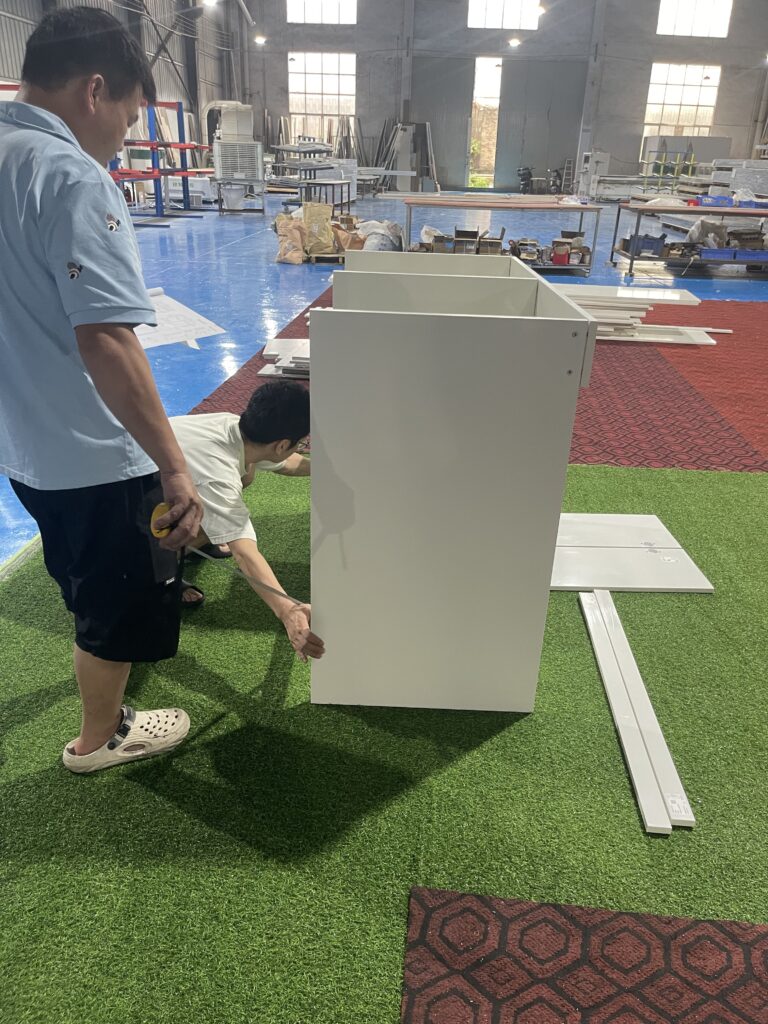
Meiren Aluminum manufactures aluminum honeycomb panels for cabinet, furniture and interior applications.
Panel specifications can be selected according to the application and project requirements, including panel thickness, dimensions and surface finish.
For buyers comparing aluminum honeycomb panels with marine plywood or MDF, providing the intended application and required specifications allows us to recommend a more suitable panel configuration.
Frequently Asked Questions
Is aluminum honeycomb panel better than MDF for cabinets?
It depends on the application. Aluminum honeycomb panels are particularly useful where lightweight construction, moisture resistance and dimensional stability are important. MDF remains widely used for indoor furniture and cabinetry, especially in dry environments.
Is aluminum honeycomb panel better than marine plywood?
The two materials serve different project requirements. Aluminum honeycomb panels provide a lightweight sandwich structure and do not absorb moisture like wood-based materials. Marine plywood provides improved moisture resistance compared with ordinary plywood while retaining the characteristics and processing methods of a wood-based panel.
Is aluminum honeycomb panel waterproof?
The aluminum face sheets and aluminum honeycomb core do not absorb water. However, the water resistance of a finished panel also depends on its adhesive system, joints, edge treatment and surface construction.
Does aluminum honeycomb panel warp in humid environments?
Aluminum honeycomb panels have good dimensional stability because the aluminum structure does not respond to humidity in the same way as wood fibers. Finished-panel performance still depends on proper bonding, manufacturing and installation.
Do aluminum honeycomb panels contain formaldehyde?
The aluminum face sheets and aluminum honeycomb core are metallic materials. For a finished composite panel, buyers should also consider the adhesive and other materials used during manufacturing. If a project has specific formaldehyde emission requirements, the relevant material and test documentation should be confirmed.
Can aluminum honeycomb panels be used for kitchen and bathroom cabinets?
Yes. Aluminum honeycomb panels can be used for cabinet bodies, doors and other furniture components, particularly where lightweight construction, moisture resistance and dimensional stability are important.
Looking for an Alternative to MDF or Plywood?
Tell us your cabinet or furniture application, required panel size, thickness and surface finish.
Meiren Aluminum can provide aluminum honeycomb panel solutions based on your project specifications.