


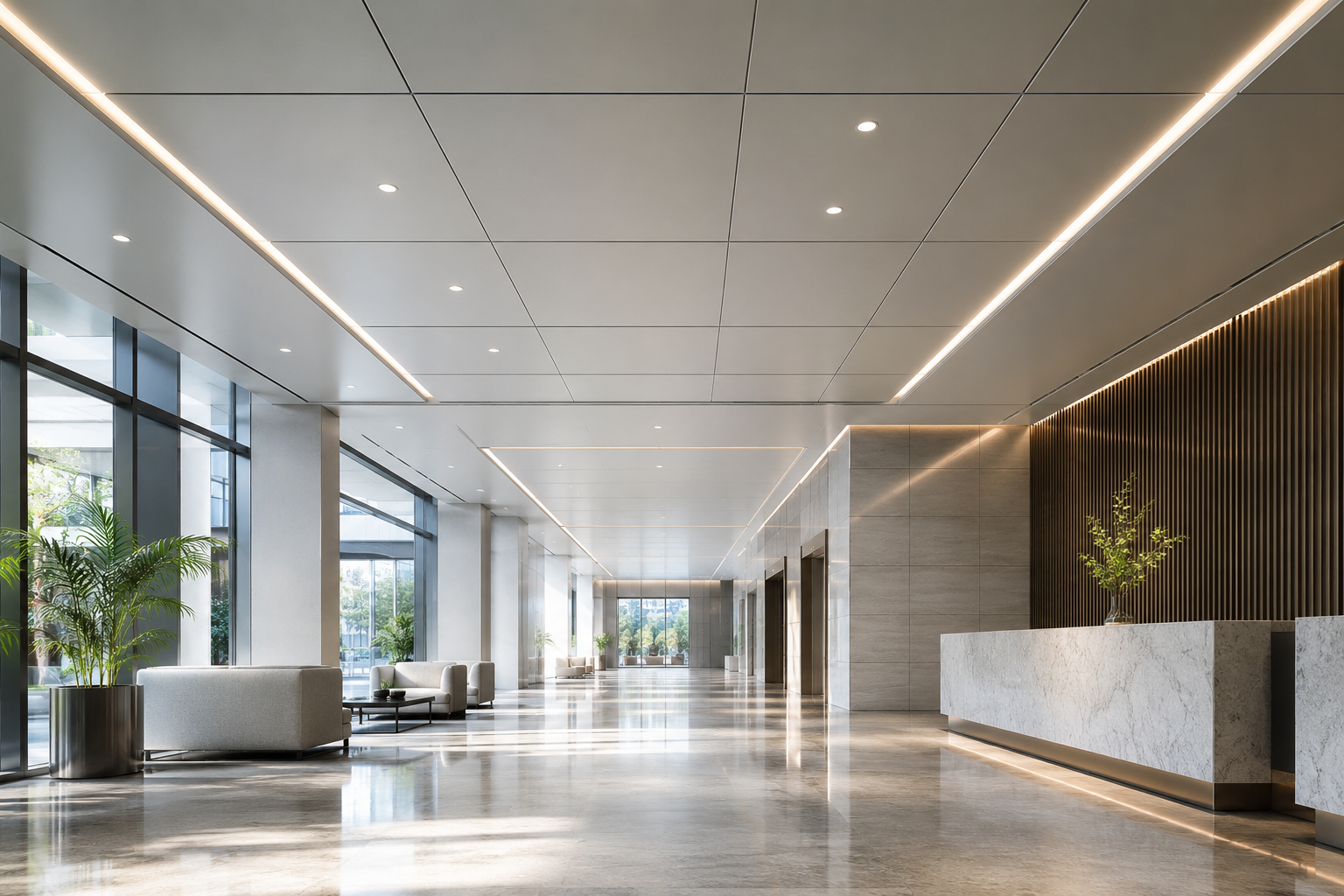
What Are Aluminum Honeycomb Ceiling Panels and How Do They Work?
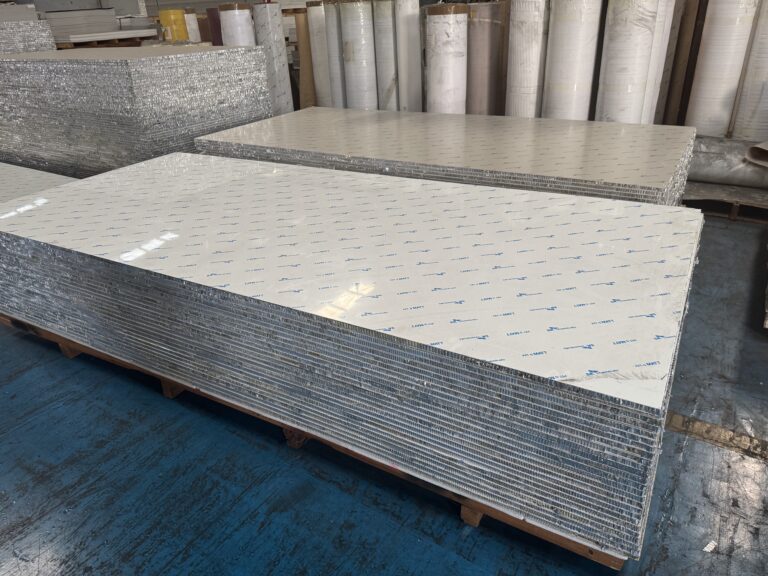
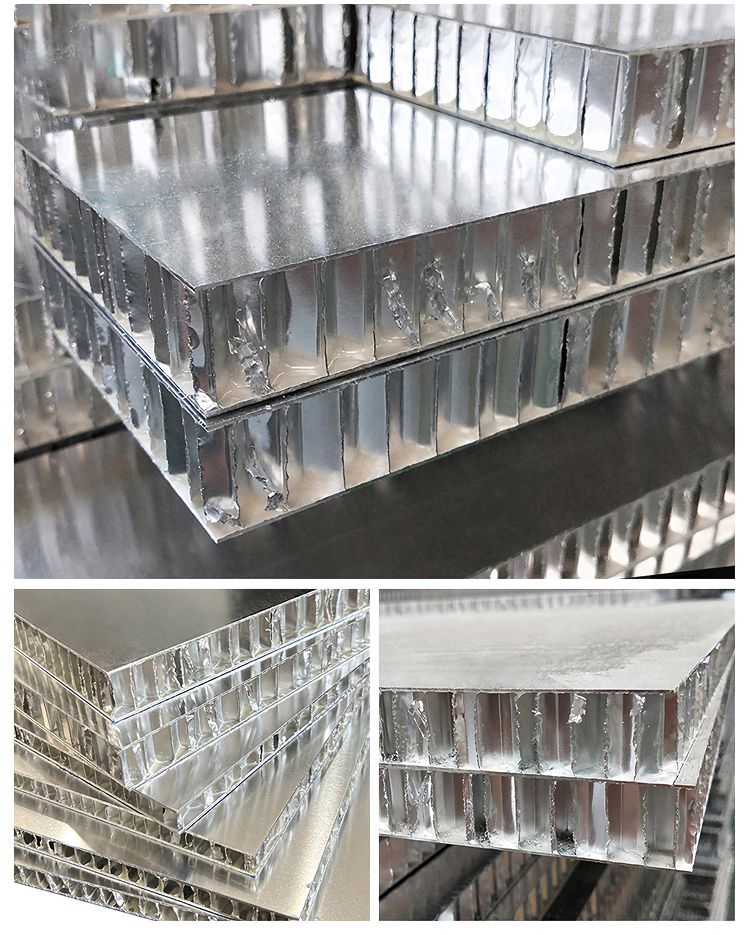
Aluminum honeycomb ceiling panels are lightweight composite panels designed for architectural and commercial ceiling systems. They combine two aluminum face sheets with an aluminum honeycomb core, creating a panel that offers excellent flatness, rigidity and dimensional stability without the weight of solid metal sheets.
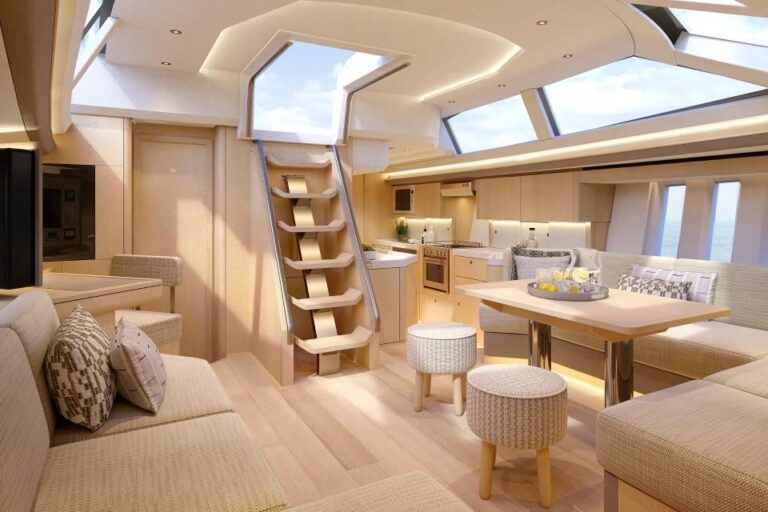
These panels are widely used in airports, railway stations, shopping malls, hotel lobbies, office buildings, exhibition centers and other large public spaces.
Because the panel structure can be customized, aluminum honeycomb ceiling panels can be produced in different thicknesses, sizes, colors, surface finishes and installation configurations.
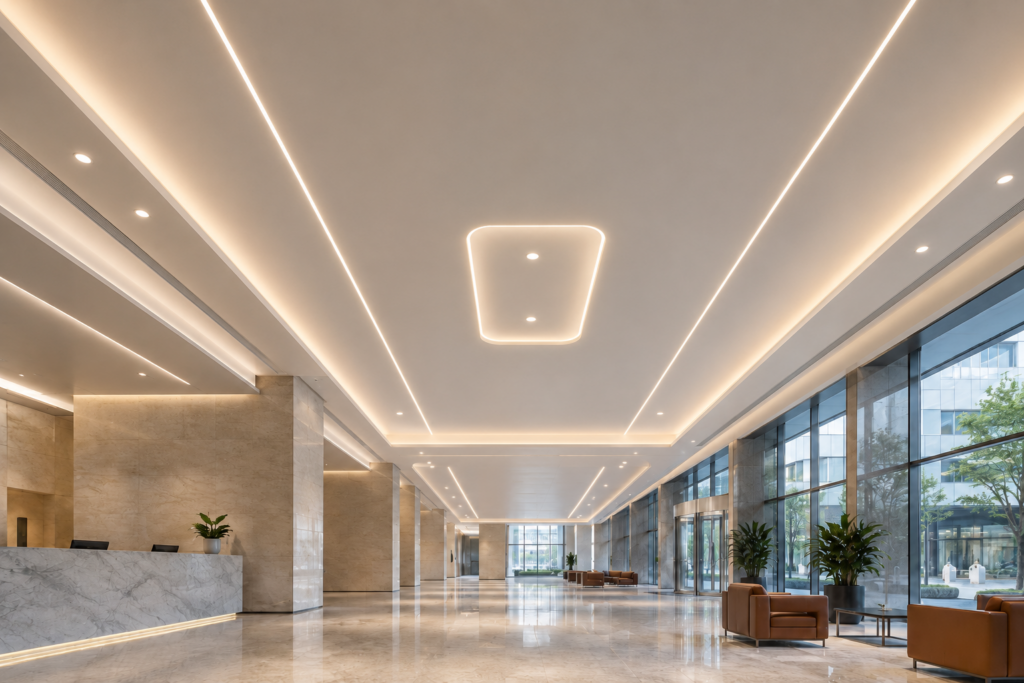
What Is an Aluminum Honeycomb Ceiling Panel?
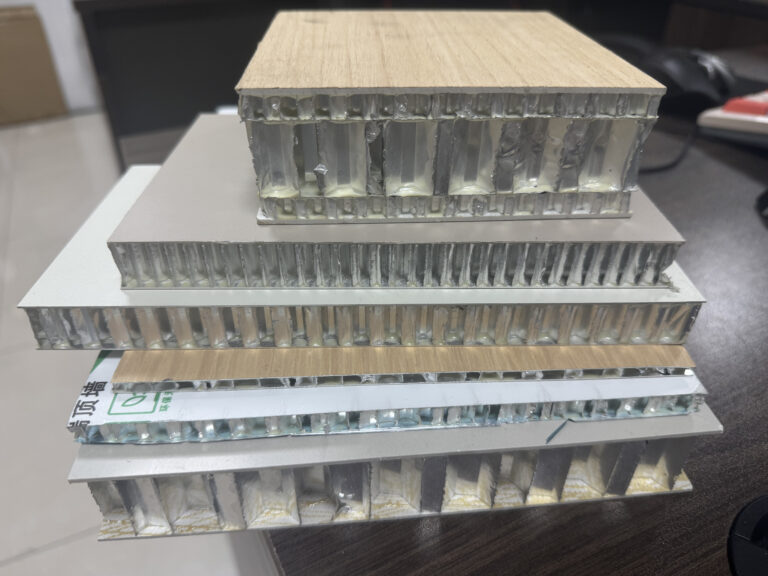
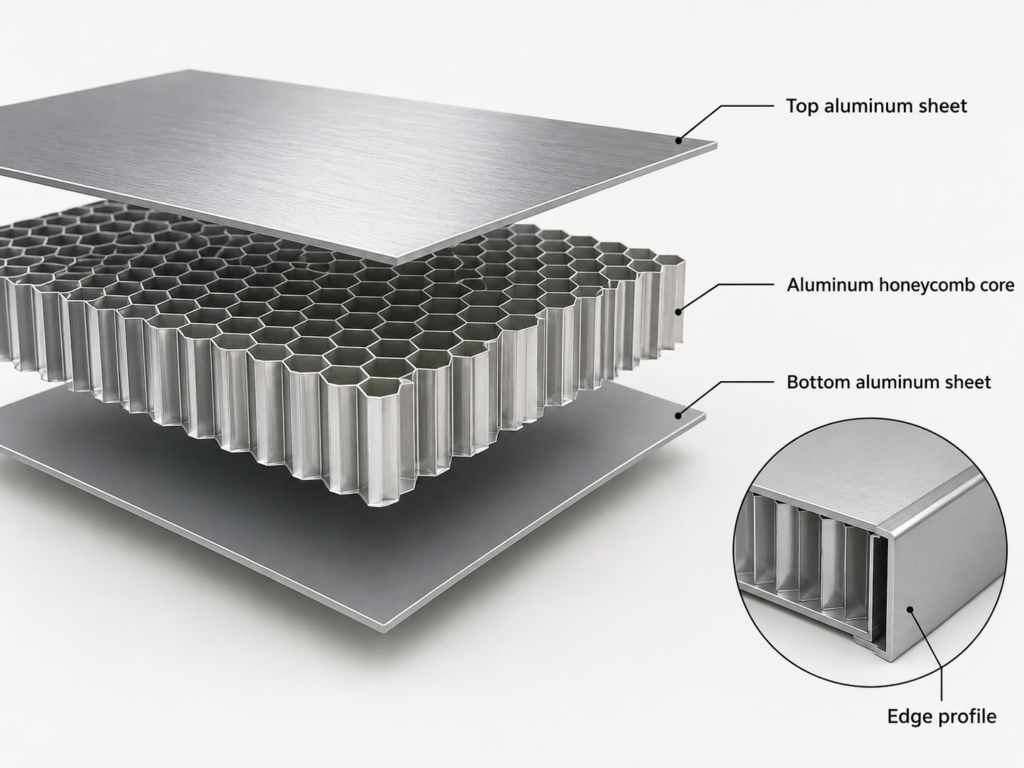
An aluminum honeycomb ceiling panel is a sandwich-structured composite panel.
The panel normally consists of three main parts:
1. A top aluminum face sheet
2. An aluminum honeycomb core
3. A bottom aluminum face sheet
The aluminum face sheets provide a smooth and durable surface, while the honeycomb core supports the panel and distributes stress across the entire structure.
The hexagonal honeycomb cells create a strong internal structure while using relatively little material. This allows the finished panel to remain lightweight while maintaining good rigidity and flatness.
Depending on the project, the panel can also include folded edges, reinforcement profiles, suspension fittings, acoustic materials or perforated aluminum surfaces.
How Do Aluminum Honeycomb Ceiling Panels Work?
The strength of an aluminum honeycomb ceiling panel comes from the interaction between the aluminum face sheets and the honeycomb core.
When the panel is subjected to bending or external pressure, the aluminum face sheets resist tension and compression. At the same time, the honeycomb core keeps the two face sheets separated and helps prevent the panel from bending or deforming easily.
This structure works in a similar way to an I-beam. The outer layers carry most of the bending load, while the core stabilizes the structure and transfers force across the panel.
As a result, the panel can achieve high rigidity without requiring a thick or heavy solid aluminum plate.
This is especially useful for large ceiling panels, where excessive weight can increase the load on suspension systems and make installation more difficult.
How Are Aluminum Honeycomb Ceiling Panels Manufactured?
The manufacturing process of aluminum honeycomb ceiling panels normally includes several steps.
First, the aluminum face sheets are prepared according to the required thickness, surface finish and color.
The aluminum honeycomb core is then expanded and cut to the required panel size and thickness.
Next, the aluminum face sheets and honeycomb core are bonded together using a suitable adhesive and flat-lamination process. Proper bonding pressure, curing time and temperature control are important for panel strength and long-term stability.
After bonding, the panels may undergo additional processing such as:
• CNC cutting
• Drilling
• Grooving
• Edge folding
• Aluminum profile installation
• Reinforcement processing
• Perforation
• Surface coating
• Custom shaping
The final panel is inspected for dimensions, flatness, surface quality, bonding condition and processing accuracy before packing.
You can learn more about our aluminum honeycomb panel production and customization capabilities.
Main Advantages of Aluminum Honeycomb Ceiling Panels
Aluminum honeycomb ceiling panels offer several advantages for architectural ceiling projects.
- Lightweight structure
- Excellent panel flatness
- High rigidity and dimensional stability
- Suitable for large-format ceiling panels
- Moisture and corrosion resistance
- Custom colors and surface finishes
- Easy CNC processing
- Optional perforated acoustic surfaces
- Custom edge and installation structures
- Suitable for commercial and public building projects
The exact performance of the panel depends on the aluminum skin thickness, honeycomb core specification, adhesive system, panel dimensions and installation structure.
For this reason, the panel structure should be selected according to the actual project requirements rather than only according to the lowest price.
Where Are Aluminum Honeycomb Ceiling Panels Used?
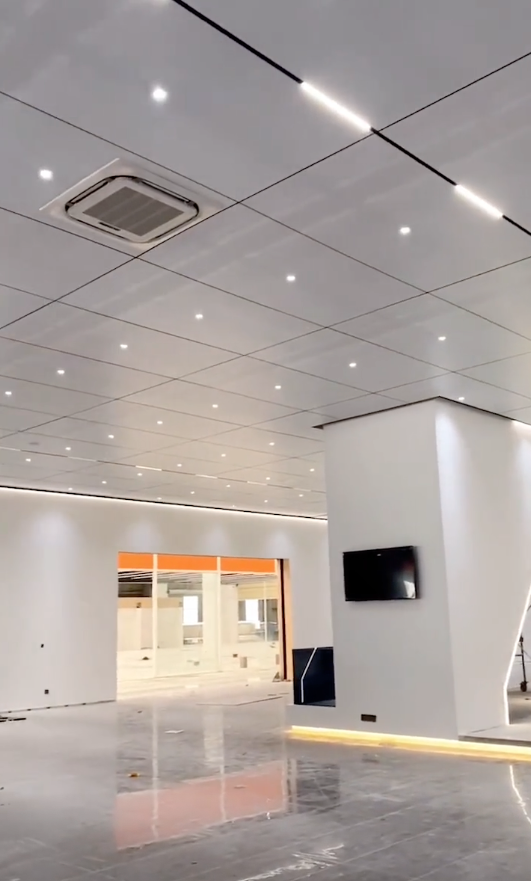
Aluminum honeycomb ceiling panels are commonly used in projects that require lightweight construction, large panel sizes and a clean architectural appearance.
- Airport terminals
- Railway and metro stations
- Hotel lobbies
- Shopping malls
- Office buildings
- Hospitals
- Exhibition centers
- Convention halls
- Commercial corridors
- Covered outdoor walkways
- Building canopies
- Public transportation facilities
They can also be used together with aluminum honeycomb wall panels to create coordinated ceiling and wall cladding systems.

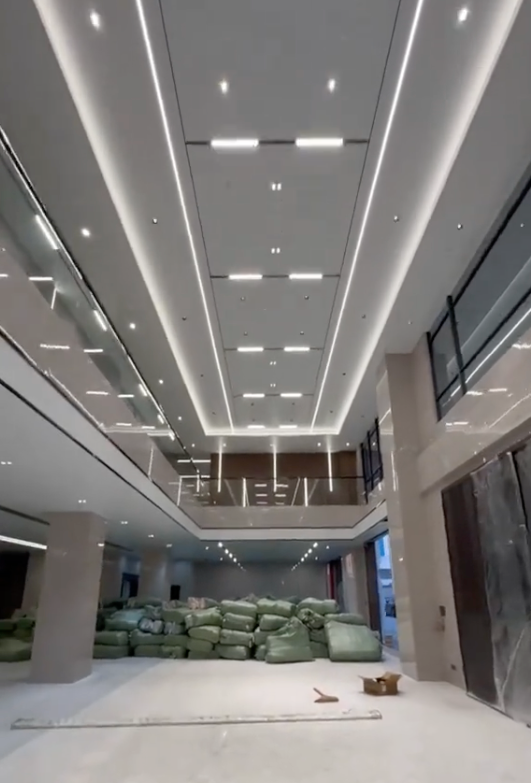



What Surface Finishes Are Available?
Aluminum honeycomb ceiling panels can be supplied with different surface finishes according to the architectural design and environmental requirements.
Common options include:
- Solid color coating
- PVDF coating
- Polyester coating
- Wood grain finish
- Stone texture finish
- Metallic finish
- Brushed aluminum
- Matte finish
- Glossy finish
- Perforated surface
Custom colors can be produced according to RAL color references, customer samples or project design requirements.
For covered outdoor ceilings or canopies, the coating, adhesive, aluminum skin and edge sealing should be selected according to the local climate and project environment.
What Is a Perforated Aluminum Honeycomb Ceiling Panel?
A perforated aluminum honeycomb ceiling panel uses a perforated aluminum face sheet instead of a completely solid surface.
The perforations can provide a decorative appearance and may also support acoustic applications when combined with sound-absorbing materials.
Perforated ceiling panels are often used in airports, railway stations, offices, meeting rooms, exhibition halls and other public spaces where sound control is important.
The hole diameter, perforation pattern, open area ratio and internal acoustic material can be customized according to the project design.

How to Choose the Right Aluminum Honeycomb Ceiling Panel
Before ordering aluminum honeycomb ceiling panels, customers should confirm several important technical details.
- Panel length and width
- Panel thickness
- Aluminum skin thickness
- Honeycomb core thickness
- Surface color and finish
- Indoor or outdoor application
- Installation method
- Suspension spacing
- Edge structure
- Perforation requirements
- Fire performance requirements
- Project quantity
Large-format panels normally require a more carefully designed structure than small ceiling panels.
The aluminum skin thickness, core specification and reinforcement system should be evaluated according to the panel size, installation spacing and expected load.
Providing ceiling drawings or panel layout drawings before production can help the manufacturer recommend a more suitable panel structure.
Aluminum Honeycomb Ceiling Panels vs Solid Aluminum Panels
Solid aluminum panels and aluminum honeycomb panels can both be used in architectural ceiling systems, but they have different structural characteristics.
Solid aluminum panels are simpler in structure and may be suitable for smaller panel sizes or projects with standard folded metal ceiling systems.
Aluminum honeycomb ceiling panels are more suitable when the project requires larger panel dimensions, better flatness and lower overall panel weight.
The honeycomb structure allows the panel to achieve good rigidity without using a very thick solid aluminum sheet.
However, the most suitable material depends on the project design, installation system, budget and performance requirements.
Can Aluminum Honeycomb Ceiling Panels Be Customized?
Yes. Aluminum honeycomb ceiling panels can be customized according to architectural drawings and project requirements.
Custom options include:
- Panel thickness
- Panel dimensions
- Aluminum skin thickness
- Honeycomb core specification
- Surface color
- Surface finish
- Perforation pattern
- Edge folding
- Reinforcement profiles
- CNC cutting
- Drilling and grooving
- Installation accessories
Meiren Aluminum supports sample production, project evaluation and bulk manufacturing for international B2B customers.
Customers can send panel drawings, ceiling layouts, color references and installation details to receive a customized quotation.
Frequently Asked Questions
Are aluminum honeycomb ceiling panels lightweight?
Yes. The aluminum honeycomb core provides structural support while reducing the amount of solid material required, making the panels lighter than many solid metal panel structures.
Can aluminum honeycomb ceiling panels be made in large sizes?
Yes. Large-format and customized panel sizes are available. The panel structure should be designed according to the dimensions, installation system and project requirements.
Can the panels be used for outdoor ceilings?
They can be used for covered outdoor ceilings and canopies when suitable aluminum skins, coatings, adhesives, edge sealing and installation structures are selected.
Can aluminum honeycomb ceiling panels be perforated?
Yes. Perforated surfaces, hole patterns and acoustic material combinations can be customized according to the project design.
How can I get a quotation?
Please provide the panel dimensions, thickness, quantity, surface finish, installation method and project drawings. The manufacturer can then evaluate the structure and prepare a quotation.
Request a Quote for Aluminum Honeycomb Ceiling Panels
Aluminum honeycomb ceiling panels provide a lightweight, rigid and customizable solution for modern architectural ceiling systems.
They are especially suitable for airports, hotels, railway stations, shopping malls, offices and large commercial buildings.
If you are planning a ceiling project, send us your panel dimensions, thickness, quantity, color, surface finish and installation drawings.
Our team will help evaluate the panel structure and provide a customized factory quotation.