


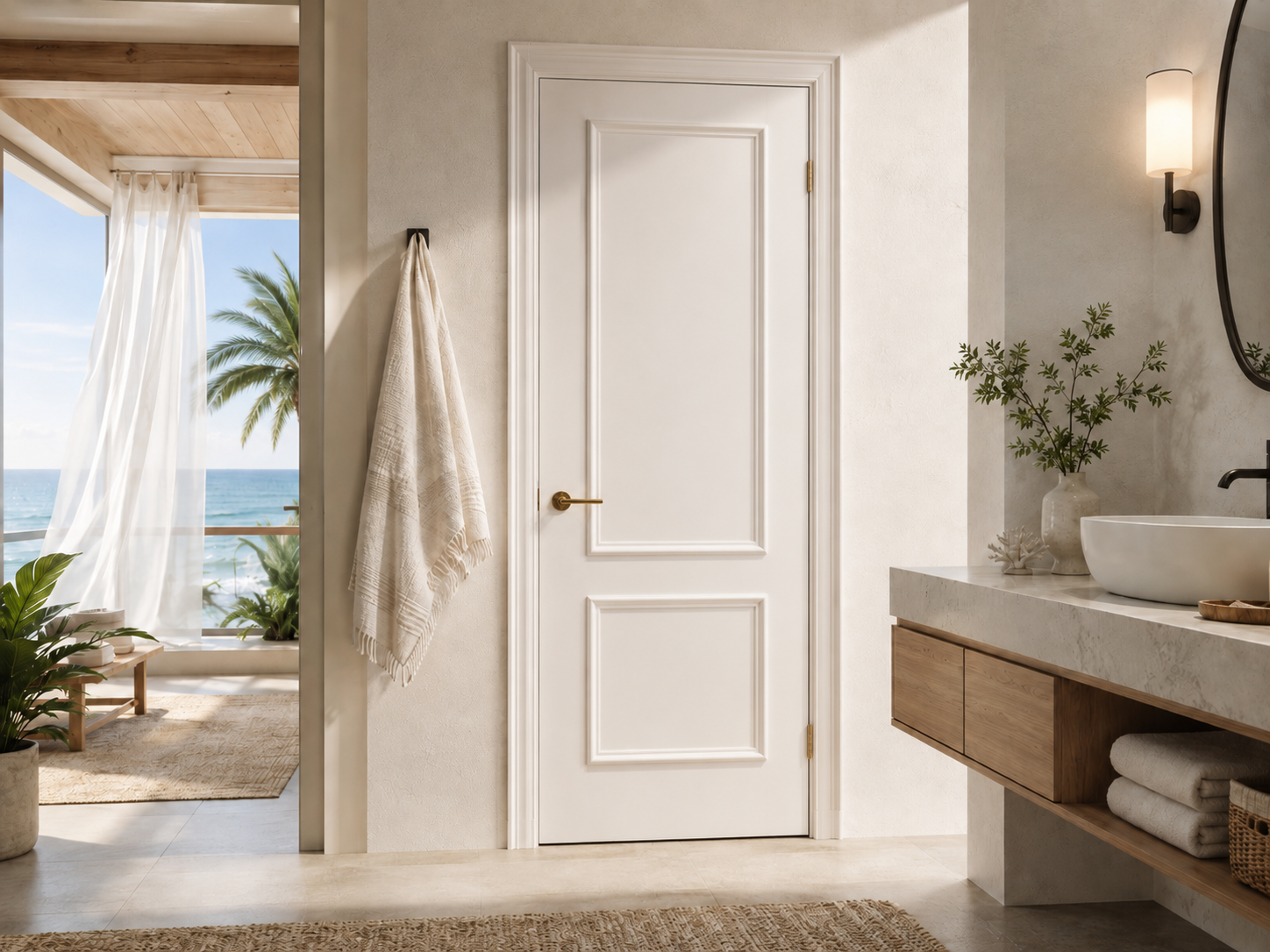
Aluminum Honeycomb Interior Doors vs Wooden Doors: Which Is Better for Humid Areas?
Wooden doors are widely used in homes, apartments, hotels and villas. However, in humid areas such as bathrooms, coastal homes, laundry rooms and hotel rooms, traditional wooden doors may face problems such as swelling, warping, cracking and surface damage.
For projects that require better moisture resistance and long-term stability, aluminum honeycomb interior doors are becoming a practical alternative. They combine a lightweight aluminum honeycomb core with decorative surface finishes, offering both durability and modern interior design flexibility.
Why Wooden Doors May Have Problems in Humid Areas
Wood is a natural material. When it is exposed to moisture for a long time, it may absorb water and expand. In bathrooms, coastal homes or hotel rooms, this can cause the door panel to become uneven or difficult to close.
Common problems of wooden doors in humid environments include:
Swelling after moisture exposure
Warping or deformation
Cracking on the surface
Paint peeling or surface damage
Higher maintenance cost
Shorter service life in wet areas
For dry indoor areas, wooden doors can still be a good choice. But for moisture-prone spaces, project owners often need a more stable door panel solution.
Why Aluminum Honeycomb Interior Doors Are More Suitable for Humid Areas
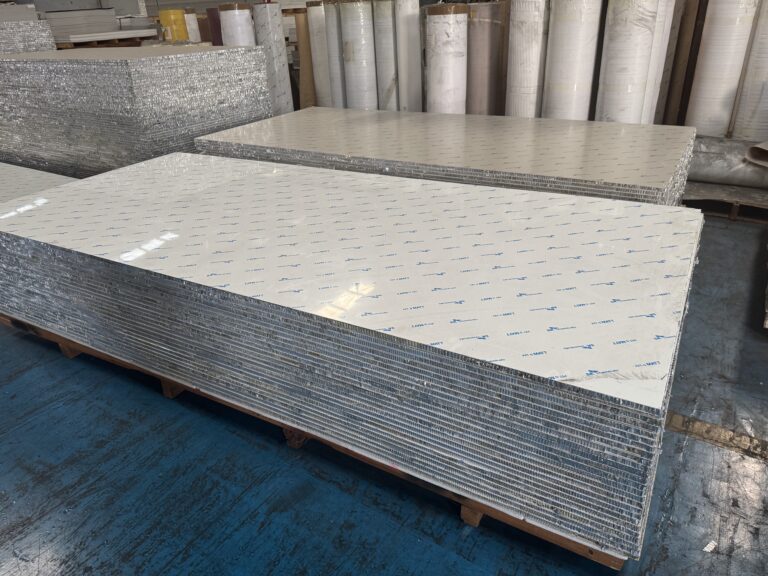
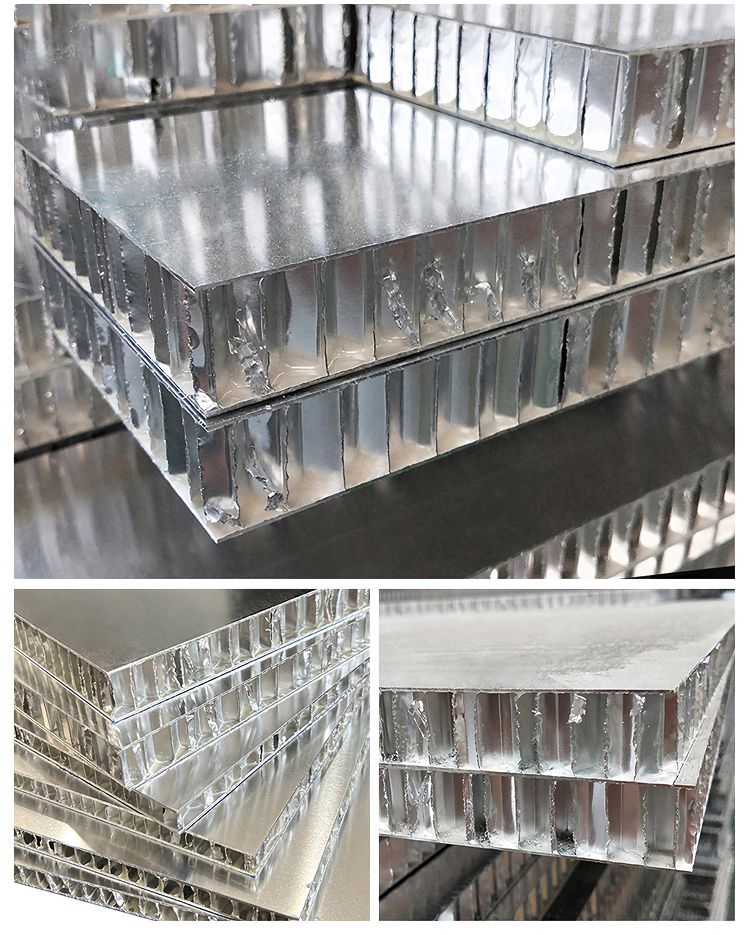
Aluminum honeycomb interior doors are made with aluminum skins and an aluminum honeycomb core. This structure is lightweight, strong and stable. Compared with traditional wooden doors, aluminum honeycomb door panels are less likely to absorb moisture, swell or deform.
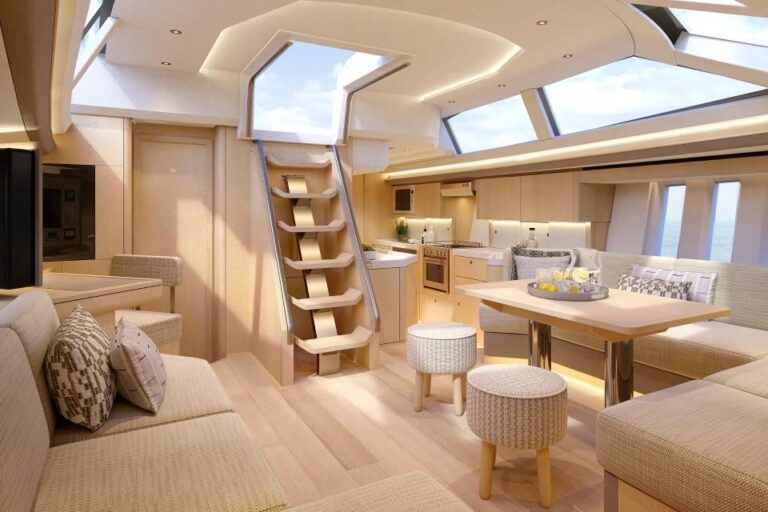
This makes aluminum honeycomb interior doors suitable for many humid or semi-humid applications, including bathrooms, coastal homes, hotel rooms, villas, apartments and commercial interiors.
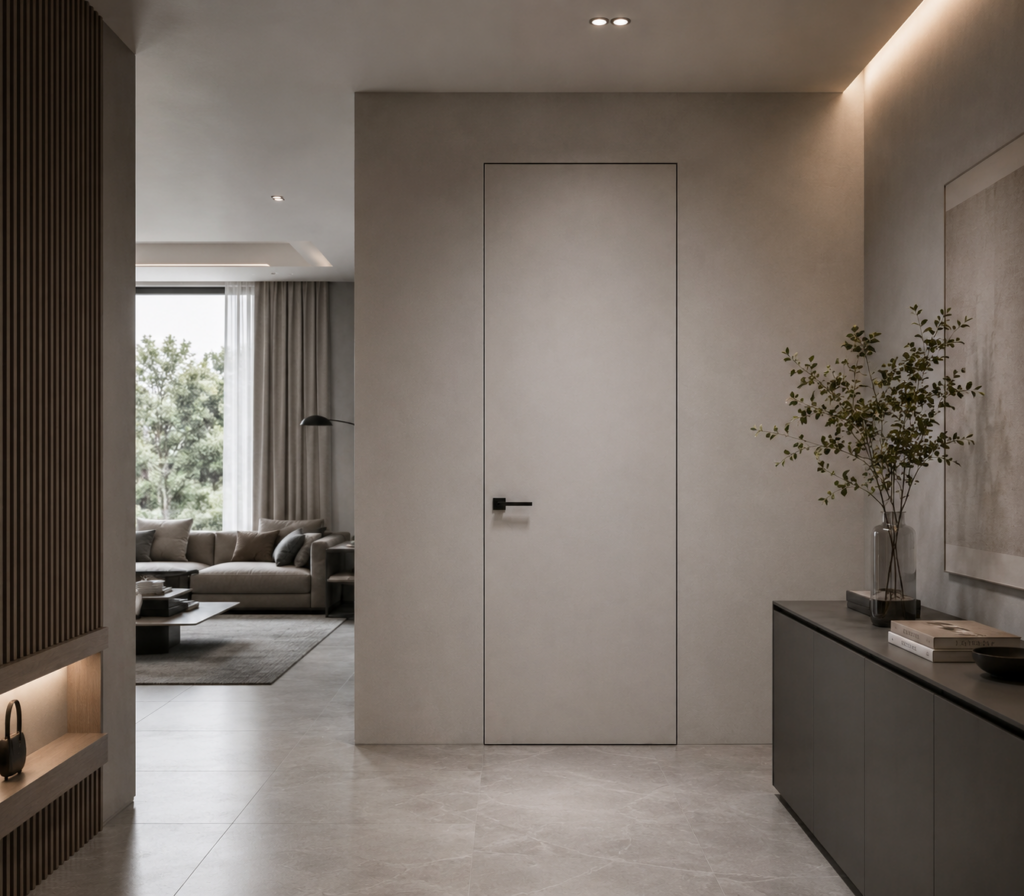
Because the panel is lightweight, it is also easier to install and more suitable for modern hidden flush door systems and wall-door integrated designs.
Moisture Resistance Comparison
In humid areas, moisture resistance is one of the most important factors when choosing interior doors.
Wooden doors may absorb moisture over time, especially if the edge sealing or surface protection is not strong enough. Once moisture enters the panel, the door may swell or deform.
Aluminum honeycomb interior doors offer better moisture resistance because the aluminum structure is more stable in wet environments. With proper surface finishing and edge banding, the door panel can maintain better flatness and appearance during long-term use.
Stability and Anti-Warping Performance
Door flatness is very important for modern interior design. This is especially true for hidden flush doors, large-size door panels and wall-door integrated systems.
Wooden doors may change shape when temperature or humidity changes. This can affect the gap between the door and the frame, making the door difficult to close or reducing the clean visual effect.
Aluminum honeycomb door panels have a stable sandwich structure. The honeycomb core helps the panel maintain rigidity while keeping the overall weight low. This makes the door panel more suitable for large panels and minimalist door designs.

Surface Finish Options
One concern many customers have is whether aluminum doors can still look warm and decorative like wooden doors.
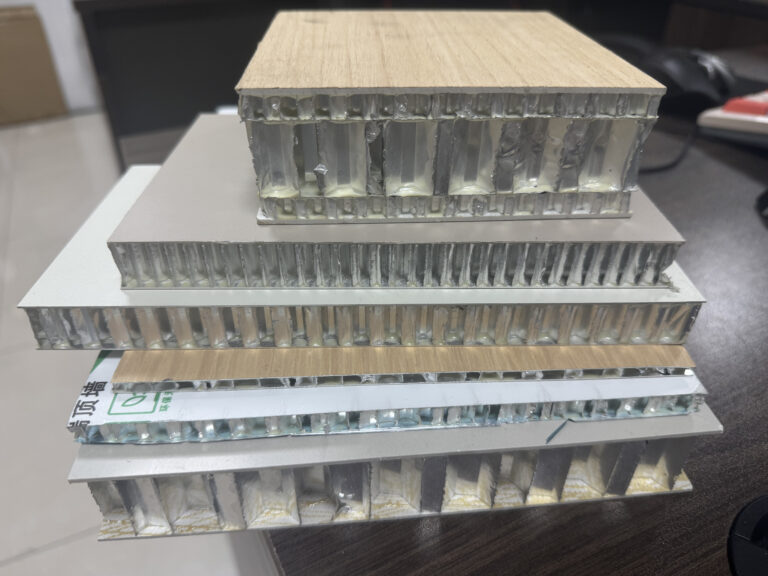
The answer is yes. Aluminum honeycomb interior doors can be finished with many different decorative surfaces, such as wood grain, stone texture, metal finish, PET film, PVC film, matte colors, glossy colors and customized coatings.
This means customers can achieve the appearance of wood, stone or modern solid colors while still getting the advantages of aluminum honeycomb panels.
Application Areas
Aluminum honeycomb interior doors are suitable for many residential and commercial projects.
Common applications include:
Bathroom doors
Hotel room doors
Villa interior doors
Coastal home doors
Apartment doors
Hidden flush doors
Wall and door integrated systems
Office partition doors
Commercial interior projects
For projects in humid climates or coastal regions, aluminum honeycomb doors can provide a more stable and durable solution than many traditional wooden door systems.
Aluminum Honeycomb Doors vs Wooden Doors: Simple Comparison
Wooden doors are often chosen for their natural appearance and traditional style. They are suitable for dry indoor areas and standard residential applications.
Aluminum honeycomb interior doors are more suitable for projects that require lightweight performance, moisture resistance, dimensional stability and modern design flexibility.
For bathrooms, hotels, villas, coastal homes and hidden door systems, aluminum honeycomb door panels can be a better long-term choice.
Which One Should You Choose?
If your project is located in a dry indoor environment and the customer prefers traditional natural wood, wooden doors can still be used.
But if your project needs better waterproof performance, anti-warping stability, long service life and modern design options, aluminum honeycomb interior doors are a more practical solution.
They are especially suitable for humid areas, coastal homes, hotels, villas, bathrooms and commercial interior projects where durability and appearance are both important.
Custom Aluminum Honeycomb Door Panel Solutions
Foshan Meiren Aluminum Industry Co., Ltd. supplies aluminum honeycomb panels for interior doors, hidden flush doors, wall-door integrated systems, wall panels, cabinet panels and other interior applications.
We support different panel thicknesses, customized sizes, surface finishes, CNC processing, edge banding, hinge hole processing, lock hole processing and project-based customization.
For more product information, you can visit our Aluminum Honeycomb Interior Doors page.