
What Determines the Bonding Strength of Aluminum Honeycomb Panels? A Manufacturer's Guide
When purchasing aluminum honeycomb panels, buyers often compare thickness, weight, surface finish, and price. However, one important factor is sometimes overlooked: the bonding quality between the aluminum face sheets and the honeycomb core.
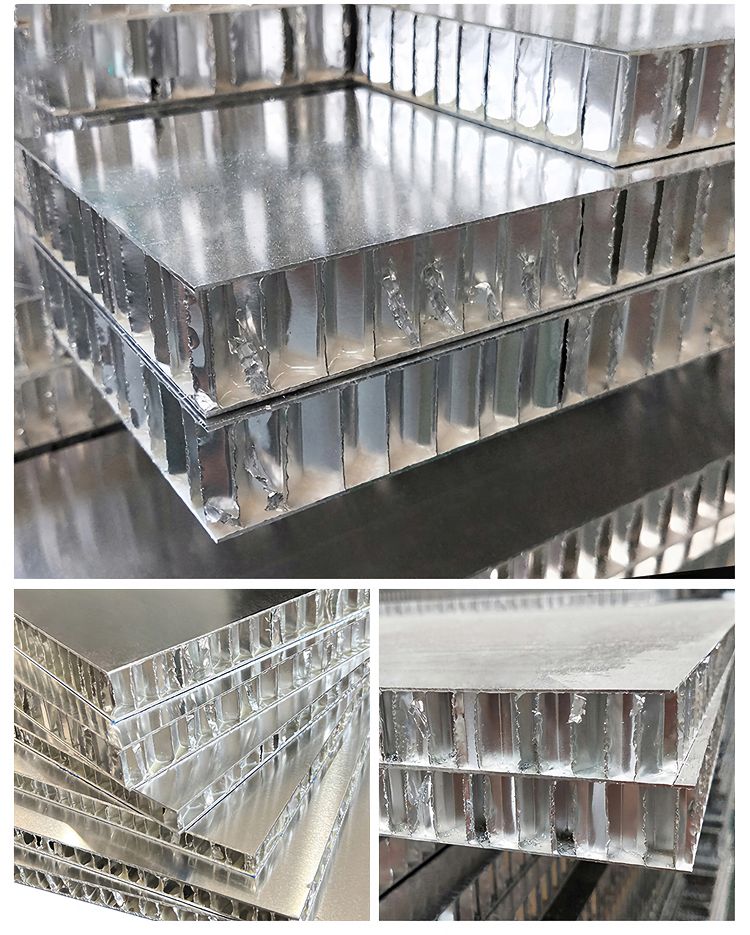
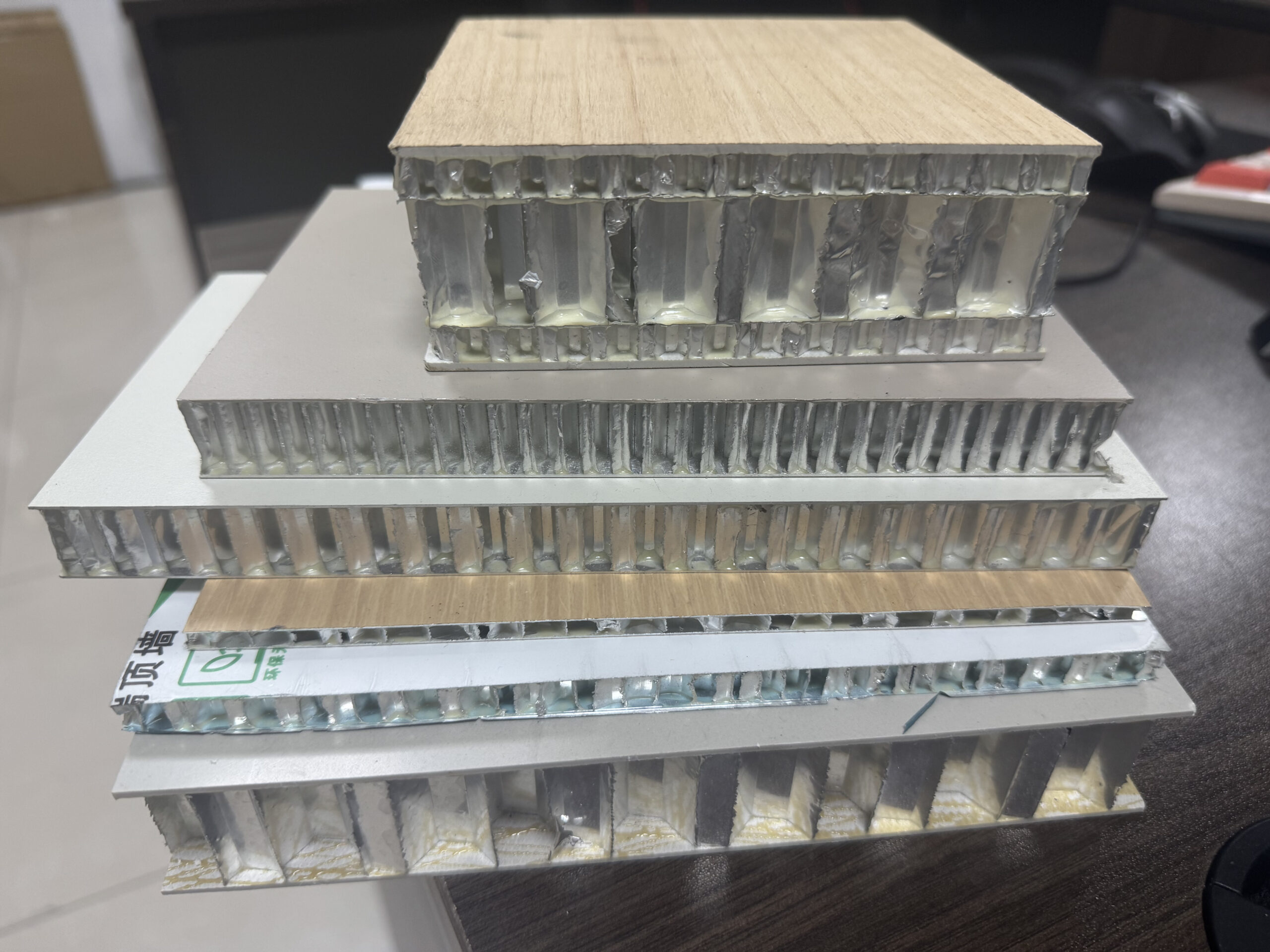
An aluminum honeycomb panel is a sandwich structure consisting of two face sheets bonded to a lightweight honeycomb core. The bonding system plays an important role in transferring loads between these components and maintaining the integrity of the composite panel.
Poor bonding can affect panel performance, even when the aluminum sheets and honeycomb core appear to meet the required specifications.
For architects, contractors, furniture manufacturers, and building material distributors, understanding bonding quality can help reduce material selection risks.
In this guide, Foshan Meiren Aluminum Industry Co., Ltd., an aluminum honeycomb panel manufacturer established in 2018, explains the main factors that influence bonding quality and what buyers should consider before placing an order.
Why Bonding Strength Matters in Aluminum Honeycomb Panels
Aluminum honeycomb panels combine lightweight materials with a sandwich structure designed to provide stiffness and structural efficiency.
The aluminum face sheets carry much of the bending-related tensile and compressive stress, while the honeycomb core helps maintain separation between the face sheets and resist shear forces.
The adhesive connection allows these components to work together as a composite structure.
1. Maintaining Structural Integrity
Reliable bonding helps maintain the connection between the face sheets and the honeycomb core under the intended service conditions.
If the bond is inadequate, the panel may experience localized separation or reduced structural performance.
2. Supporting Panel Stiffness
The stiffness of a sandwich panel depends on several factors, including face sheet thickness, core thickness, material properties, and the integrity of the bonded interfaces.
Increasing panel thickness alone does not guarantee suitable performance if the bonding system is not properly matched to the structure.
3. Reducing the Risk of Delamination
Delamination refers to the separation of bonded layers within a composite structure.
It may result from unsuitable materials, inadequate surface preparation, manufacturing defects, excessive loading, or environmental exposure beyond the product's design limits.
Buyers should therefore evaluate both the panel configuration and the manufacturing quality.
Key Factors That Affect Bonding Quality
Several technical factors can influence the bonding performance of aluminum honeycomb sandwich panels.
1. Aluminum Honeycomb Core Structure
The honeycomb core is an essential component of the sandwich structure.
Its cell geometry, foil thickness, material properties, and core height can influence the mechanical behavior of the finished panel.
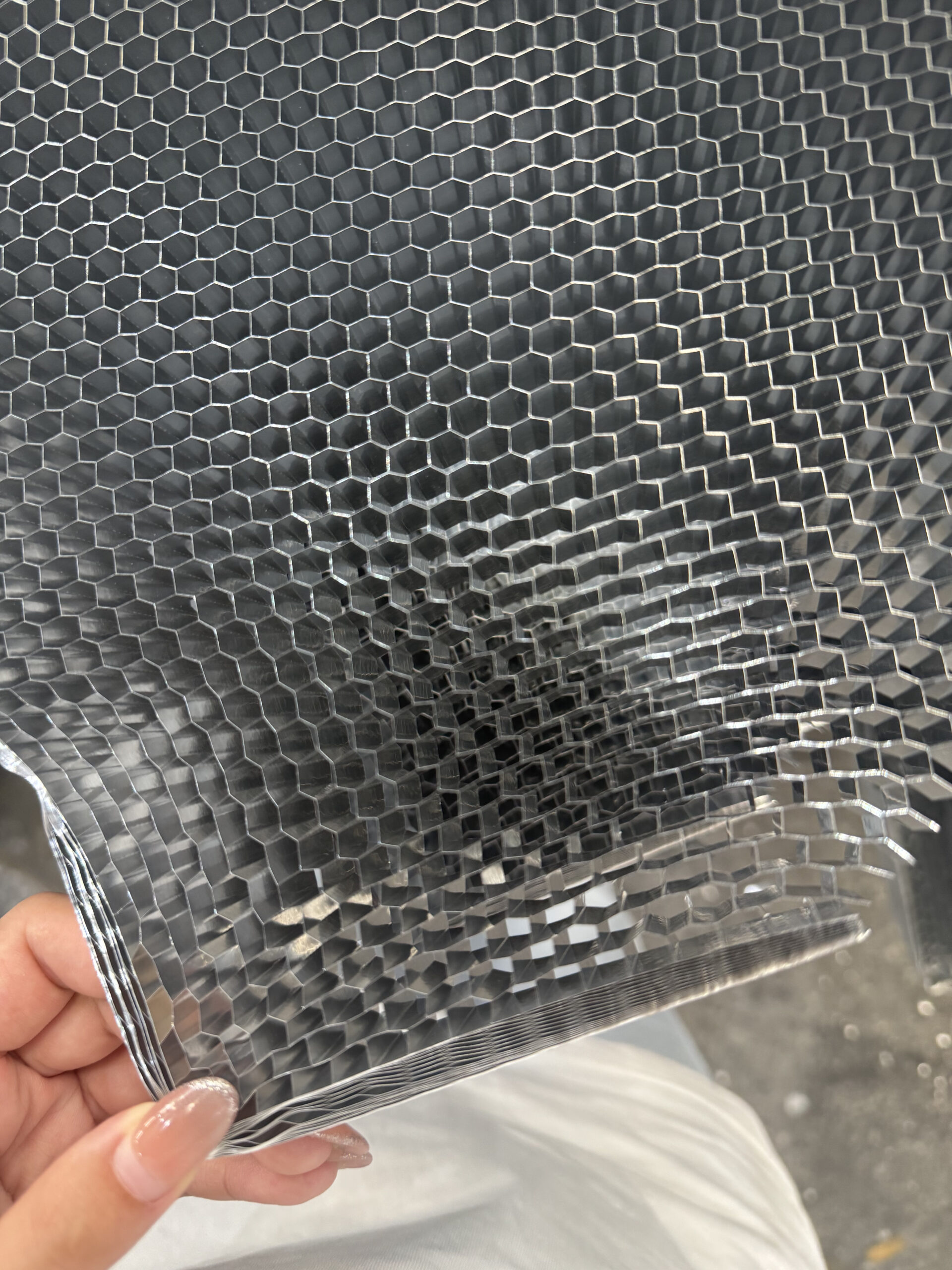
The condition and geometry of the bonding surfaces also affect how loads are transferred between the core and face sheets.
Different applications may require different core configurations.
For example, a decorative interior wall panel and a panel intended for a load-bearing floor system may have different structural requirements.
2. Adhesive Selection
Adhesives used in sandwich panel manufacturing must be compatible with the selected face sheets, core materials, manufacturing process, and intended service environment.
Important considerations may include:
- Adhesion to aluminum surfaces
- Mechanical performance under expected loads
- Resistance to the intended temperature and humidity conditions
- Compatibility with the manufacturing process
- Long-term durability requirements
No single adhesive system is automatically suitable for every application.
For projects with demanding environmental or structural requirements, buyers should confirm the relevant adhesive and panel specifications with the manufacturer.
3. Surface Preparation
Surface condition is an important consideration in adhesive bonding.
Contamination, oil, dust, or unsuitable surface conditions may interfere with the bonding process.
Appropriate surface preparation depends on the materials and adhesive system being used.
Manufacturers should establish suitable preparation procedures for their specific production processes.
4. Manufacturing Process Control
Consistent manufacturing conditions help reduce variation between finished panels.
Depending on the adhesive system and equipment, relevant process parameters may include:
- Adhesive application consistency
- Panel assembly and alignment
- Pressing conditions
- Temperature control
- Curing or setting conditions
- Handling procedures after bonding
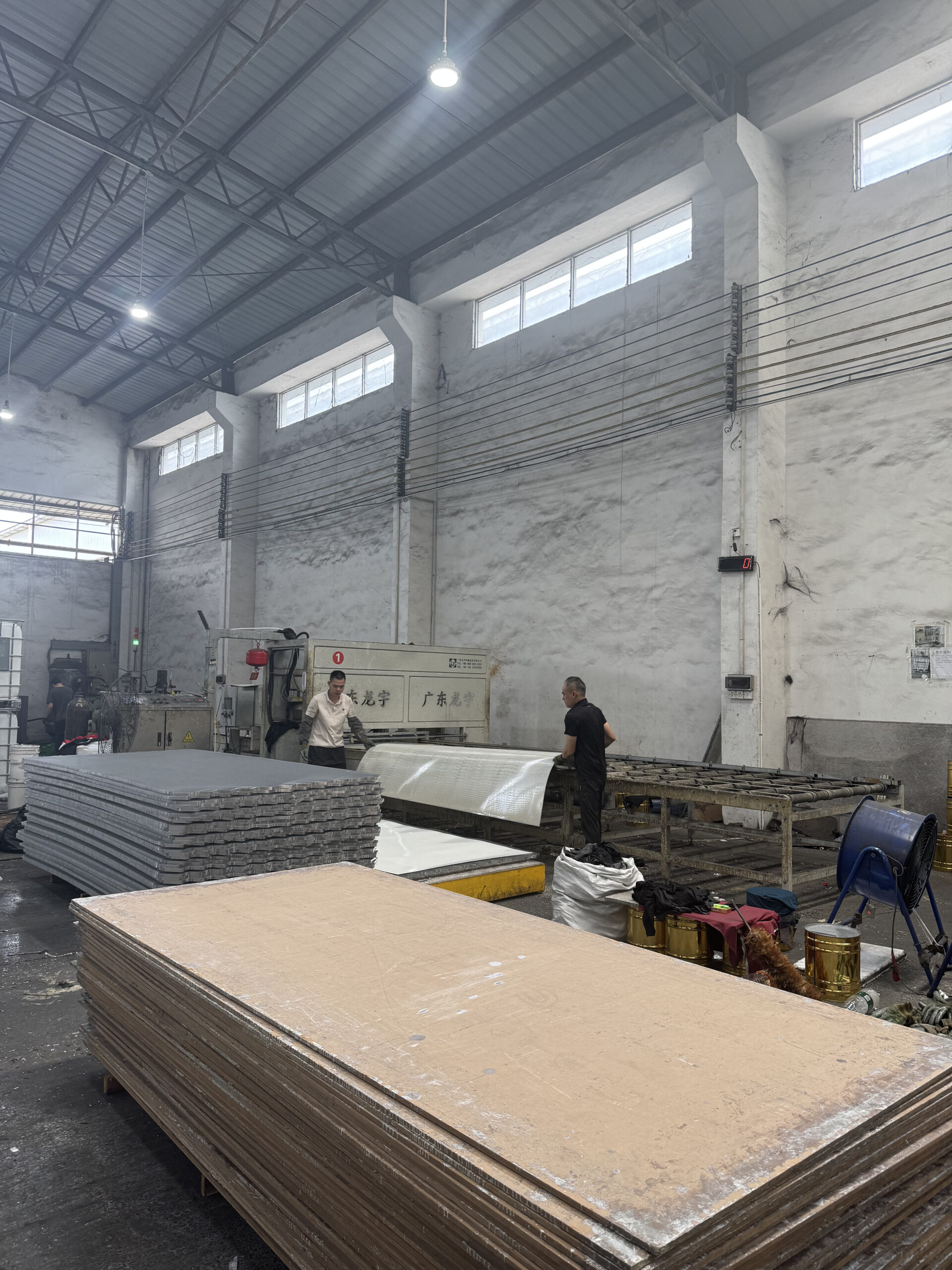
These parameters should be controlled according to the requirements of the materials and production process.
5. Panel Configuration and Application
Bonding requirements cannot be evaluated independently of the finished panel's intended use.
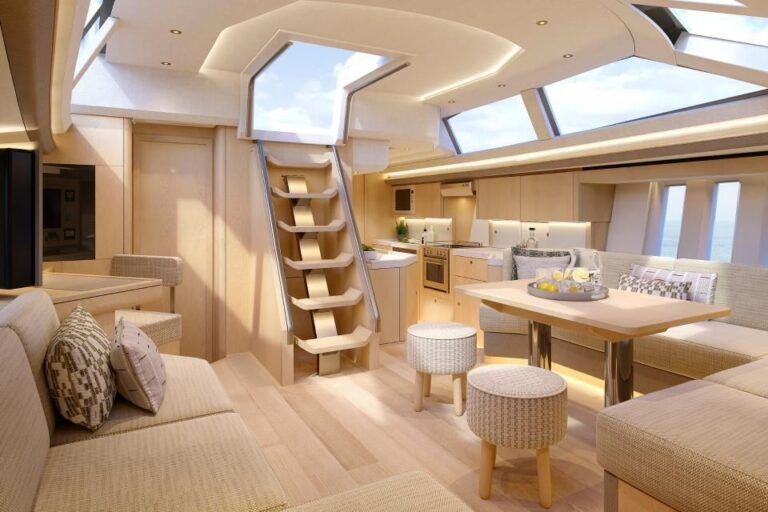
For example, aluminum honeycomb panels used in furniture, interior wall cladding, ceilings, and transportation interiors may be exposed to different loading and environmental conditions.
The appropriate product structure should therefore be selected according to the application rather than based on thickness alone.
How Manufacturers Control Bonding Quality
Manufacturing quality involves more than selecting suitable raw materials.
It also requires attention to material preparation, production consistency, finished panel inspection, and the requirements of each order.
1. Material and Specification Verification
Before production, the panel configuration should be confirmed.
Important specifications may include:
- Aluminum face sheet thickness
- Honeycomb core configuration
- Finished panel thickness
- Panel dimensions
- Surface finish
- Intended application
Clear specifications help manufacturers and buyers evaluate whether the proposed panel configuration matches the project requirements.
2. Production and Handling
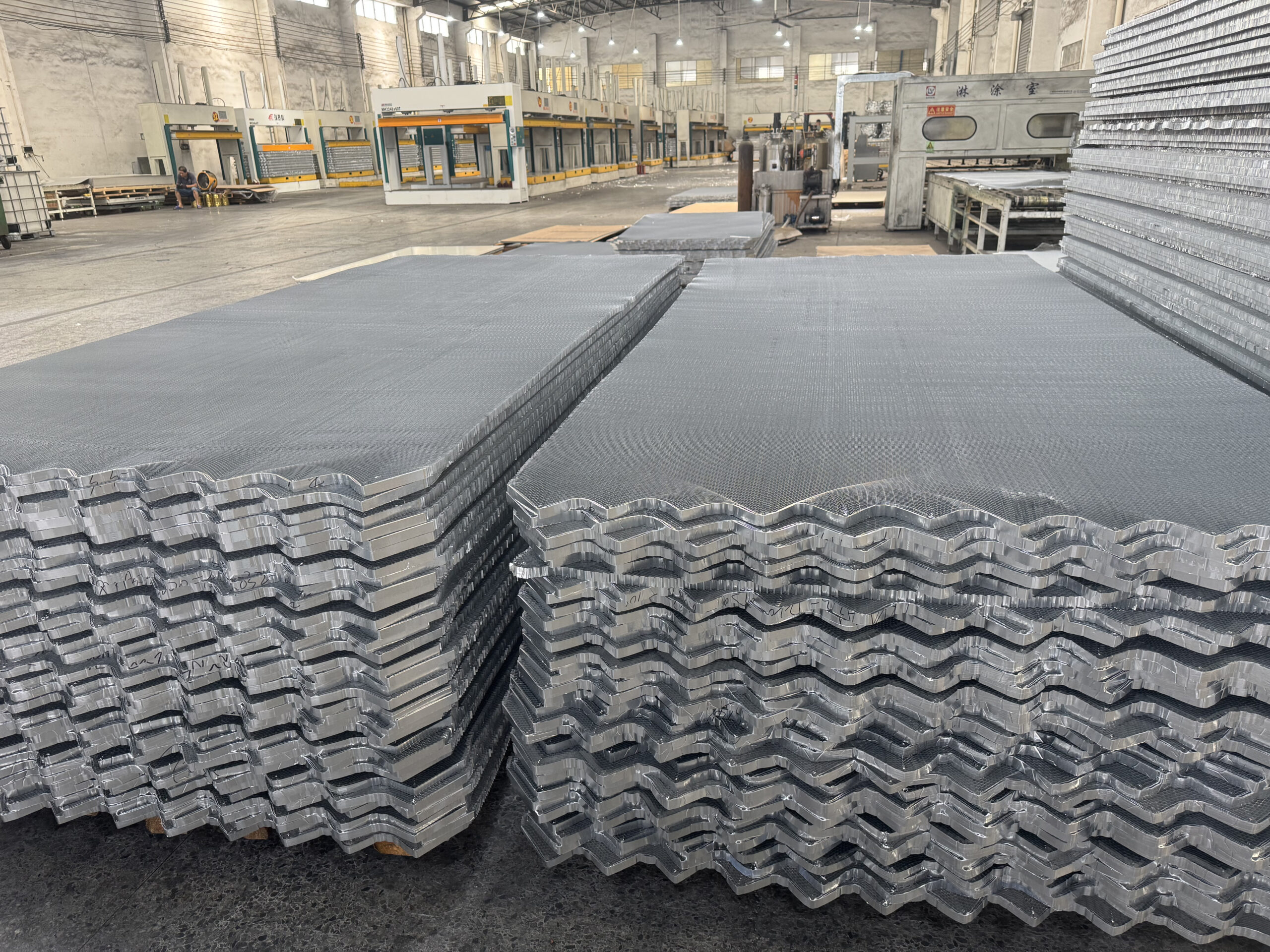
Panel production requires coordinated handling of aluminum face sheets, honeycomb cores, and other manufacturing materials.
Proper material handling can help reduce contamination, deformation, and unintended damage during production.
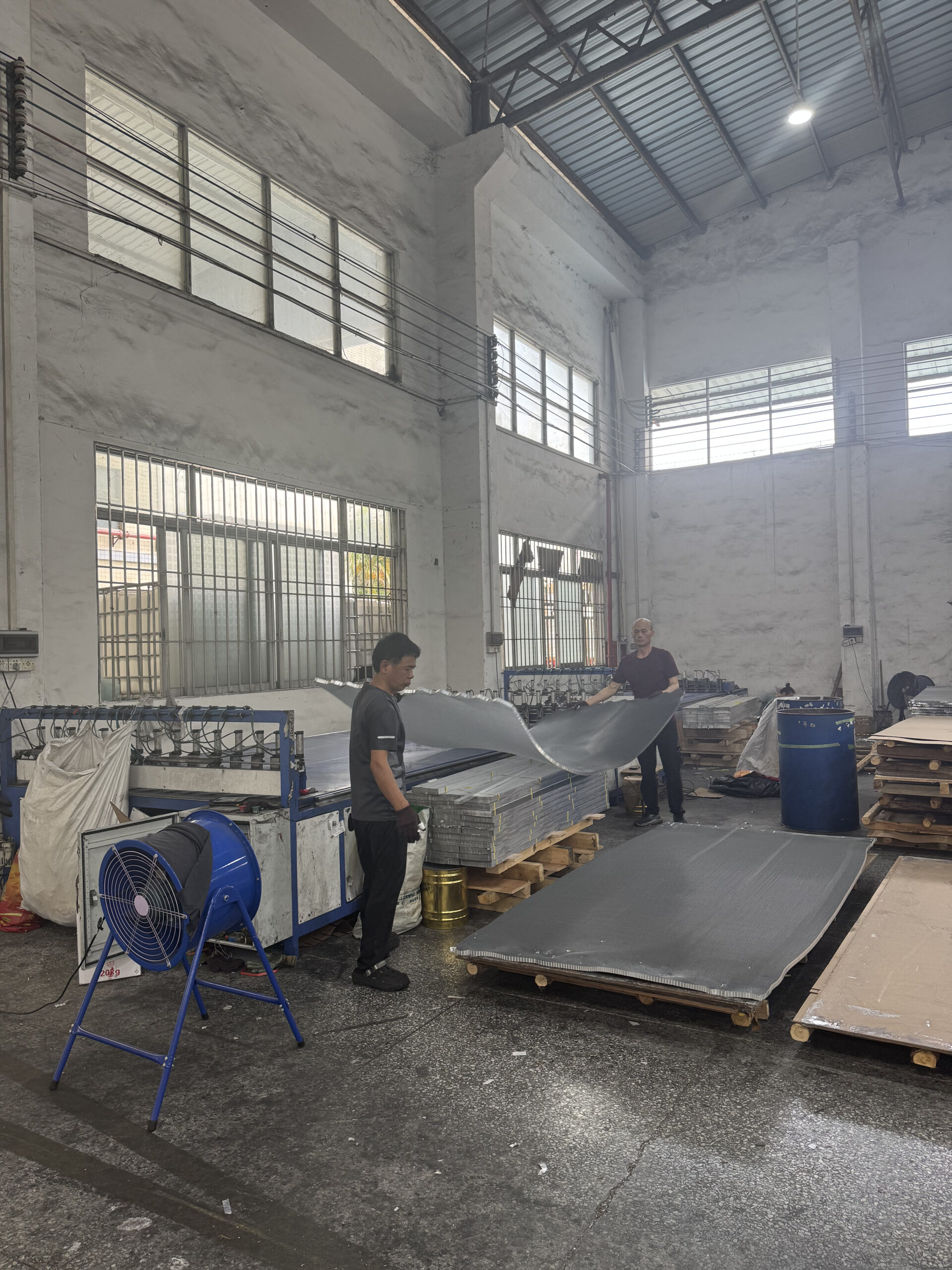
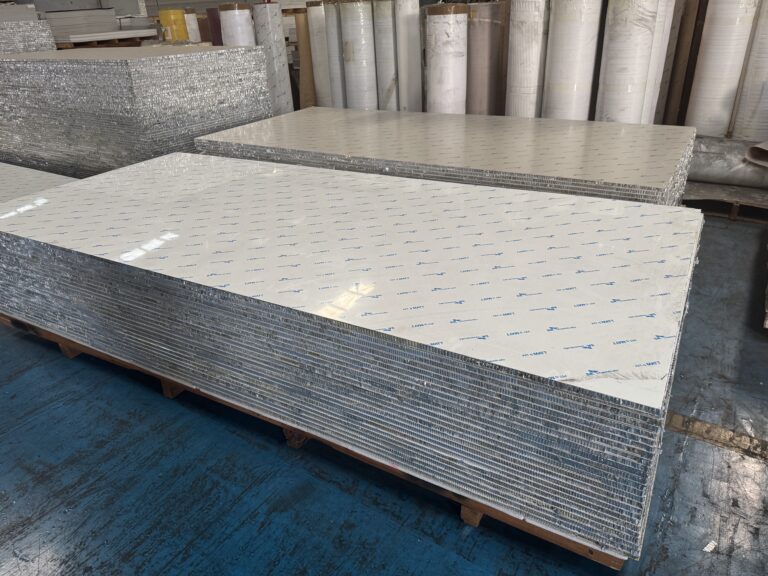
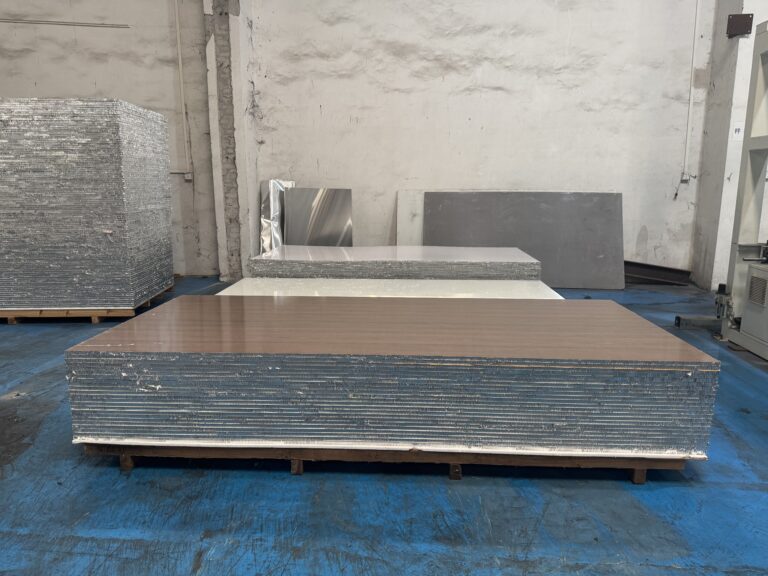
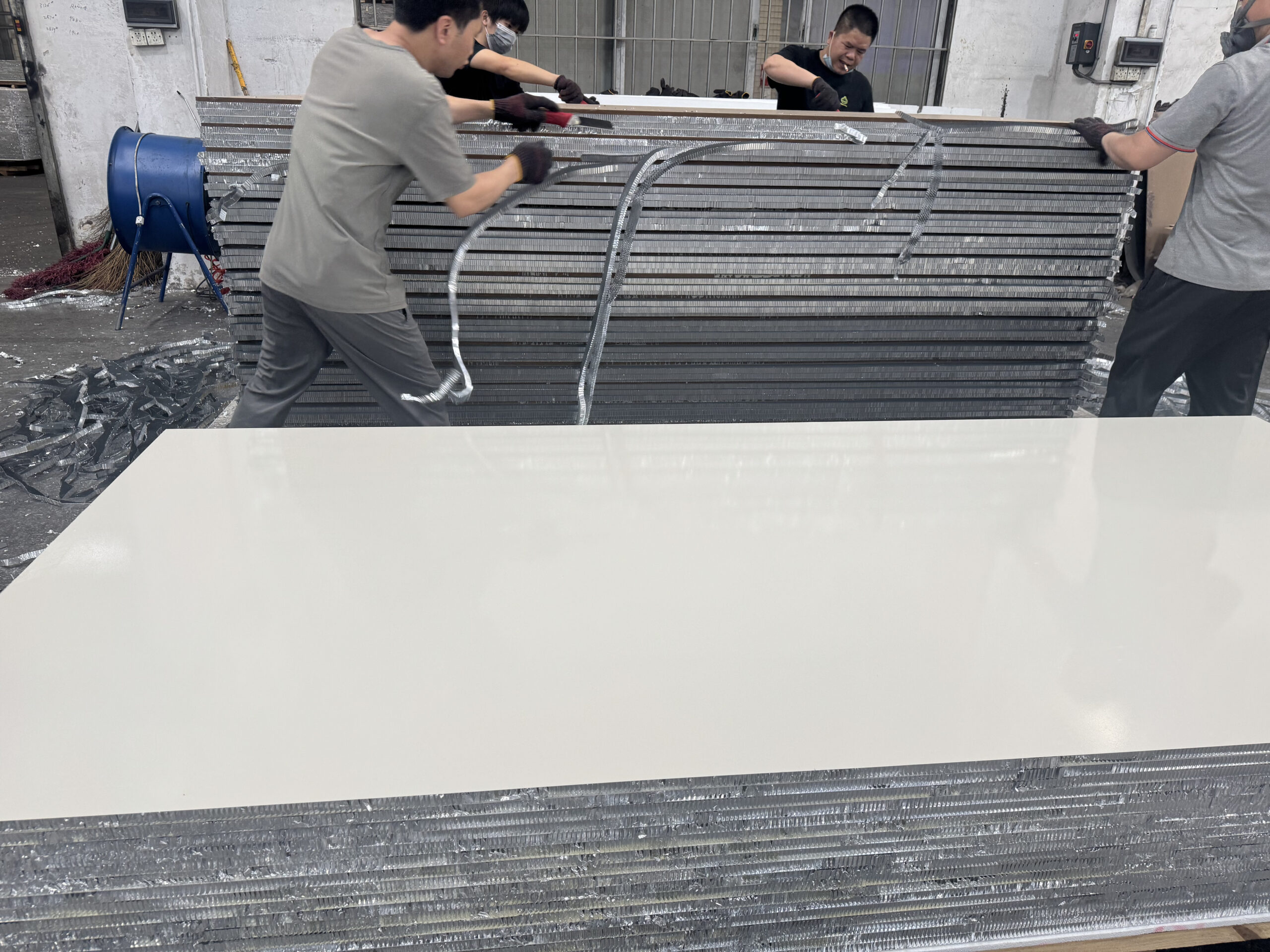
At Meiren Aluminum, our factory photographs show aluminum honeycomb core materials, panel production equipment, and workers handling panels in the workshop.
These images provide buyers with a view of the actual manufacturing environment and the types of materials processed at our facility.
3. Finished Panel Inspection
Finished panel inspection may include checks of dimensions, thickness, surface condition, and visible defects.
However, visual inspection alone cannot establish the bonding strength of a sandwich panel.
Where a project requires verified bonding performance, appropriate mechanical testing and documented acceptance criteria should be agreed upon.
The testing method should be selected according to the panel construction, intended application, and relevant project requirements.
4. Batch Consistency
For commercial projects and large-volume orders, consistent specifications across production batches are important.
Buyers should confirm the required tolerances, inspection arrangements, and documentation before production begins.
This is especially relevant when panels are supplied for furniture manufacturing, commercial interiors, or other applications requiring repeated dimensions and finishes.
What Should Buyers Ask Before Ordering Aluminum Honeycomb Panels?
Before placing a bulk order, buyers should confirm the technical requirements with their supplier.
| Question | Why It Matters |
|---|---|
| What is the panel structure? | Face sheet and core specifications affect mechanical performance. |
| What bonding system is used? | Adhesive compatibility and processing conditions influence bond quality. |
| Is the panel suitable for the intended application? | Different applications have different loading and environmental requirements. |
| What inspections or test reports are available? | Documentation helps buyers evaluate whether specified requirements have been verified. |
| Can the dimensions and finish be customized? | Custom specifications may be necessary for manufacturing and project integration. |
| How will batch consistency be managed? | Consistent specifications help reduce problems during downstream processing. |
Understanding Aluminum Honeycomb Panel Specifications
Bonding quality is one part of selecting a suitable aluminum honeycomb panel.
Buyers should also consider the finished thickness, panel dimensions, face sheet materials, core configuration, and surface finish.
Meiren Aluminum supplies aluminum honeycomb panels for a range of manufacturing and architectural applications.
Common panel thicknesses include:
- 6 mm panels for selected ceiling applications
- 9 mm panels for selected interior wall applications
- 18 mm panels for cabinet and furniture manufacturing
- 10 mm, 15 mm, 20 mm, and 25 mm configurations for selected architectural projects
These are common product configurations, not universal engineering recommendations. Final specifications should be determined according to project requirements.
Common panel dimensions include 1220 × 2440 mm and 1220 × 2750 mm, with additional custom dimensions available depending on the order.
For more information about available products, visit our aluminum honeycomb panel product page .
Why Manufacturing Experience Matters
When evaluating aluminum honeycomb panel suppliers, buyers should consider more than the quoted price.
Product specifications, manufacturing capabilities, material selection, and quality documentation are all relevant to procurement decisions.
Established in 2018, Foshan Meiren Aluminum Industry Co., Ltd. manufactures aluminum honeycomb panels for furniture, interior decoration, architectural, and other industrial applications.
Our factory handles aluminum honeycomb core materials and finished composite panels in a dedicated manufacturing environment.
For projects with specific bonding, structural, or environmental requirements, buyers should provide their technical specifications so that the appropriate product configuration and available supporting documentation can be reviewed.
Learn more about our manufacturing capabilities on our aluminum honeycomb panel manufacturer page .
Frequently Asked Questions
What affects the bonding strength of aluminum honeycomb panels?
Bonding performance can be influenced by the adhesive system, aluminum surface condition, honeycomb core configuration, manufacturing parameters, and service environment.
Does a thicker aluminum honeycomb panel always have stronger bonding?
No. Finished panel thickness alone does not determine bonding strength. Bond performance depends on the bonded interface, materials, manufacturing process, and other factors.
Can visual inspection confirm bonding strength?
No. Visual inspection can identify certain surface or dimensional defects, but mechanical testing may be required to verify specified bonding performance.
What documents should buyers request from a manufacturer?
Depending on the project, buyers may request product specifications, material information, inspection records, and relevant test reports. The availability and applicability of these documents should be confirmed with the supplier.
Can aluminum honeycomb panels be customized?
Yes. Aluminum honeycomb panels can be manufactured in different thicknesses, dimensions, and surface finishes, subject to manufacturing capabilities and order requirements.
Discuss Your Aluminum Honeycomb Panel Requirements
Choosing the right aluminum honeycomb panel requires consideration of the complete panel structure, not just its thickness or appearance.
If you are sourcing aluminum honeycomb panels for furniture manufacturing, architectural interiors, or commercial projects, Foshan Meiren Aluminum Industry Co., Ltd. can discuss available product configurations based on your requirements.
Send us your intended application, panel dimensions, thickness, surface finish, and relevant technical specifications.
Our team can review your requirements and discuss suitable manufacturing options.
Looking for a Reliable Aluminum Honeycomb Panel Manufacturer?
Contact Meiren Aluminum to discuss your project specifications, custom dimensions, and available manufacturing options.
Request a Quote