
What Affects the Price of Aluminum Honeycomb Panels?
When sourcing aluminum honeycomb panels for architectural, furniture, transportation, or industrial projects, price is an important consideration. However, the price of an aluminum honeycomb panel is not determined by panel size alone. The materials, core specifications, finished thickness, surface finish, processing requirements, and order quantity can all affect the final quotation.
For manufacturers, fabricators, and project buyers, understanding these factors makes it easier to compare quotations accurately and select panels that meet the requirements of the intended application.
As an aluminum honeycomb panel manufacturer in China, Meiren Aluminum supplies panels for different applications, with customizable dimensions, thicknesses, and finishes. This guide explains the main factors buyers should consider when requesting a quotation.
1. Aluminum Face Sheet Thickness
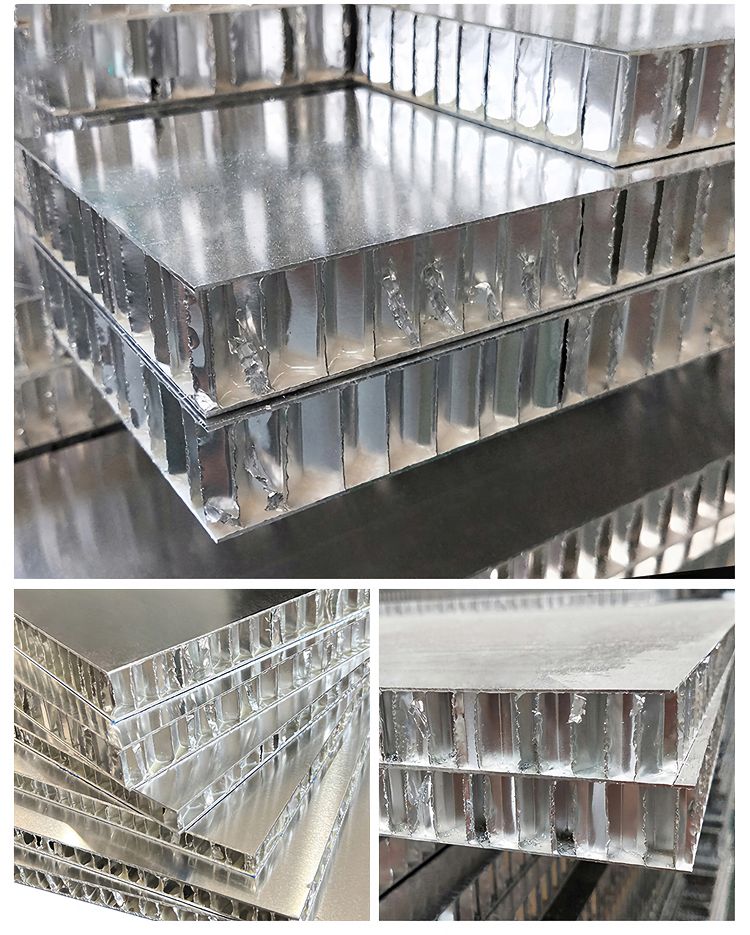
The aluminum face sheets are an important part of a honeycomb sandwich panel. Their thickness affects material consumption and can influence the panel's performance, weight, and cost.
In general, increasing the face sheet thickness requires more aluminum material. This can increase the material cost of the finished panel. However, the appropriate thickness depends on the intended application, panel dimensions, loading conditions, and other design requirements.
When requesting a quotation, buyers should specify the required face sheet thickness rather than providing only the overall panel thickness.
2. Honeycomb Core Specifications
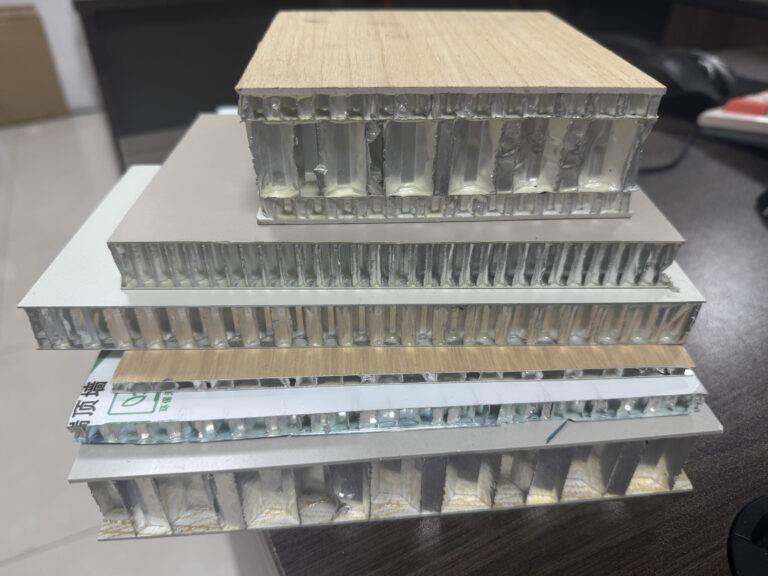
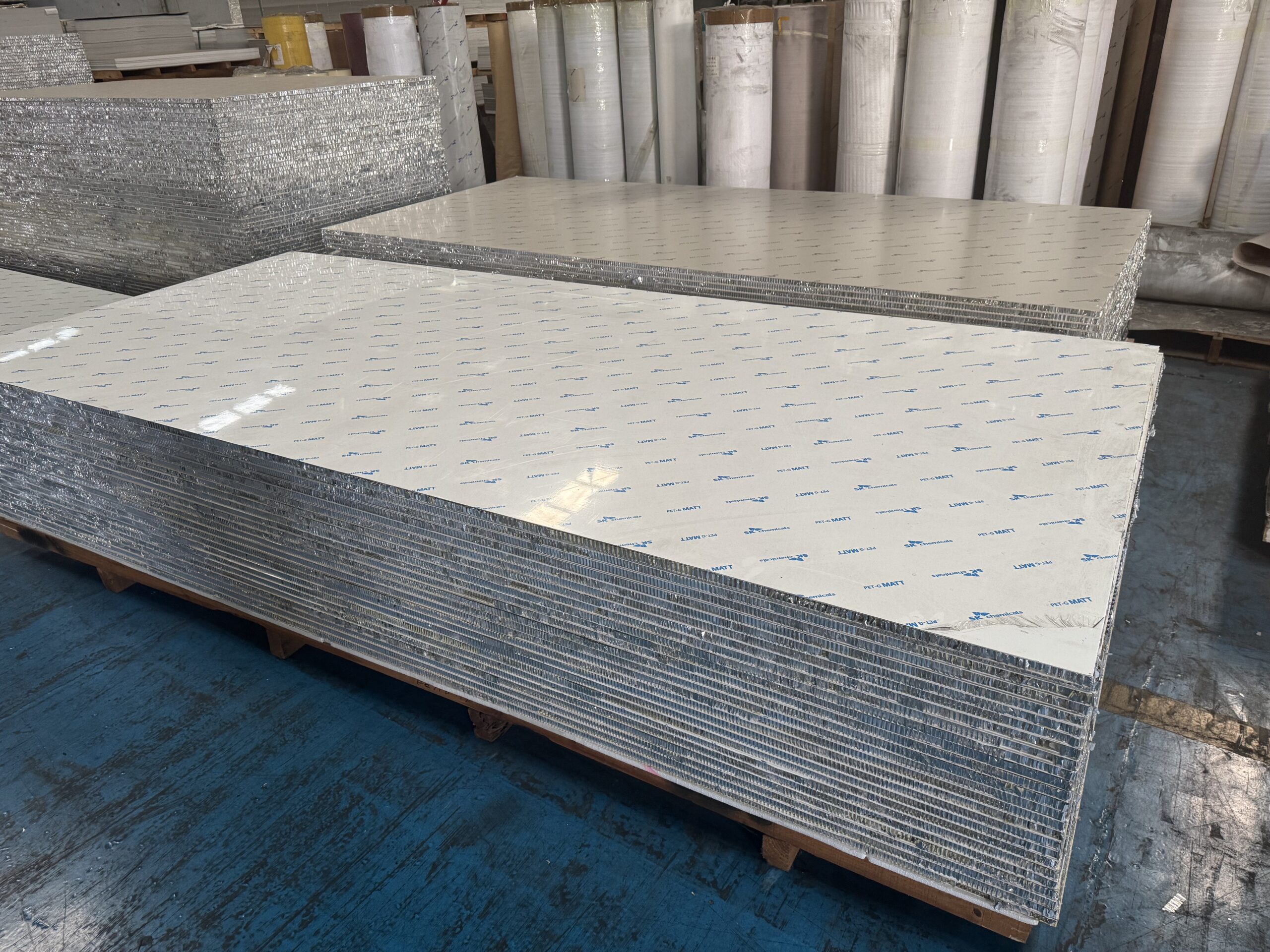
The honeycomb core forms the internal structure between the face sheets. Core specifications can affect material consumption, panel weight, stiffness, and manufacturing requirements.
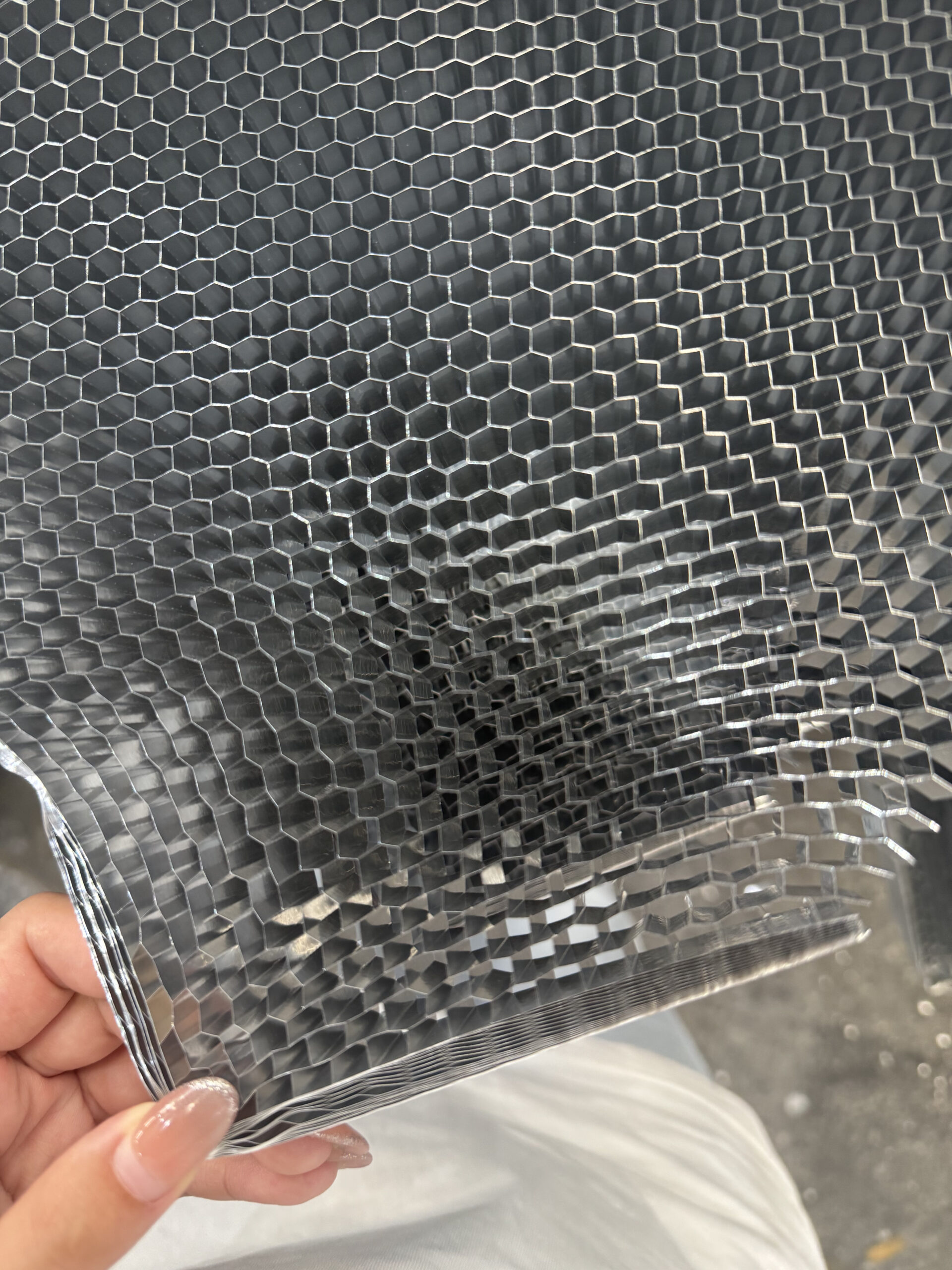
Important details may include:
- Core material
- Cell size
- Core thickness or height
- Foil thickness
- Required mechanical performance
Different core specifications are designed for different requirements. Buyers should avoid comparing two quotations solely by the phrase “aluminum honeycomb panel” without confirming whether the core specifications are equivalent.
3. Overall Panel Thickness and Dimensions
The finished panel thickness and dimensions affect the amount of material used and the production requirements. A quotation for a thin decorative panel may not be comparable with a quotation for a thicker panel designed for a different application.
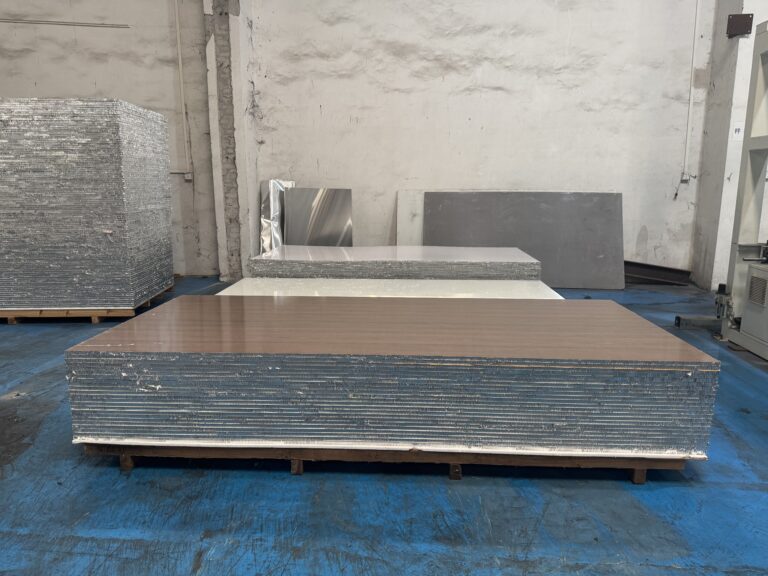
Meiren Aluminum's commonly supplied panel formats include 1220 × 2440 mm. For residential wall cladding, 1220 × 2750 mm is also a common stock size. Other standard lengths are available in a 1220 mm width, while customized dimensions can be discussed according to project requirements.
When requesting a quotation, specify:
- Panel length and width
- Overall finished thickness
- Required quantity or total area
- Whether standard or customized dimensions are needed
For oversized panels, buyers should confirm the maximum available dimensions, transportation requirements, and any additional processing needed for the project.
4. Surface Finish, Color, and Decorative Requirements
The visible surface is another factor that can influence the price of an aluminum honeycomb panel. Depending on the application, buyers may require different colors, coatings, textures, or decorative finishes.
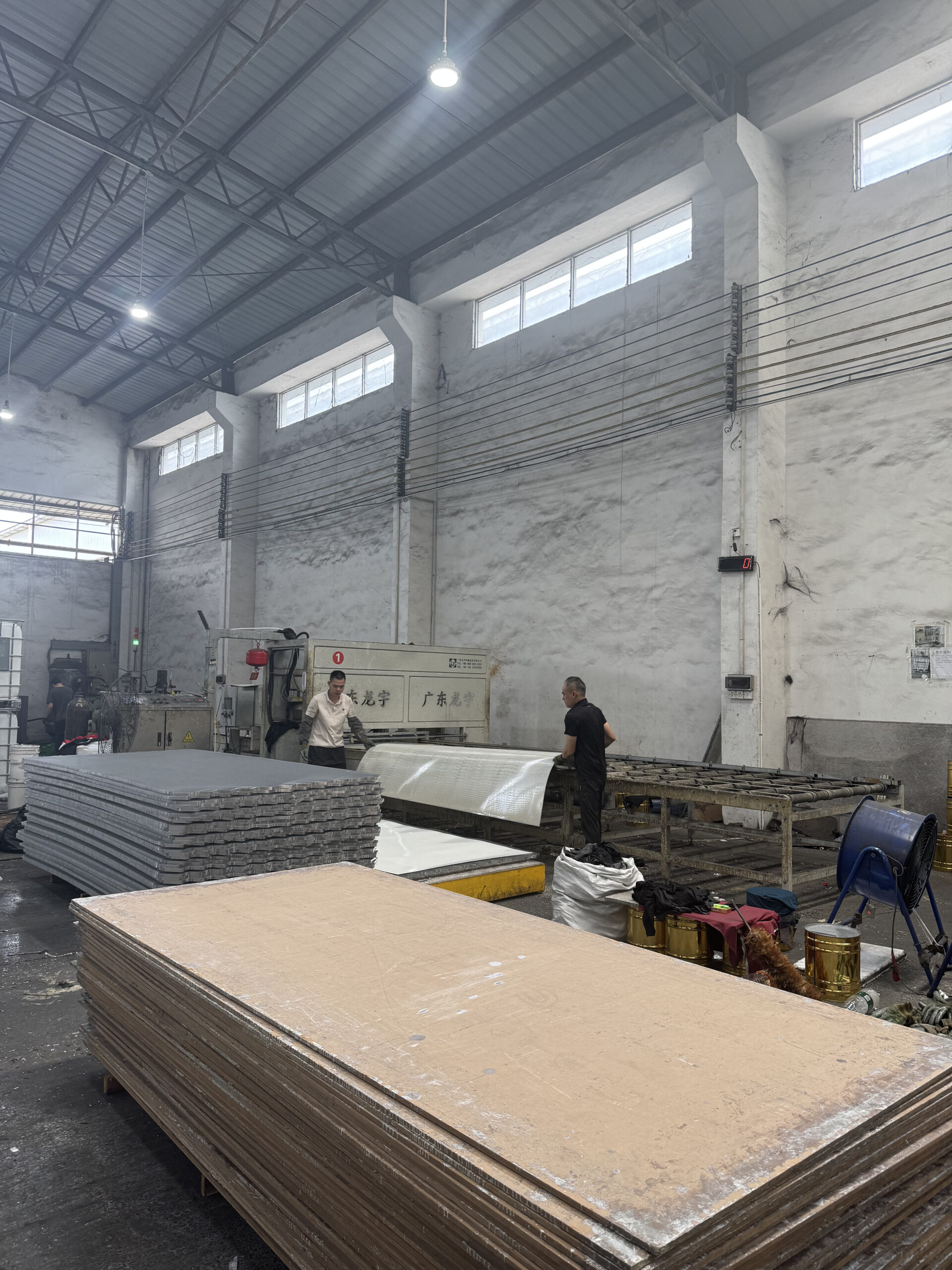
When comparing quotations, check whether the proposed finish matches your requirements. Two panels with the same dimensions and thickness may have different prices if their surface treatments or decorative specifications differ.
Buyers should provide the requested color, finish type, surface material, and any relevant reference samples or specifications. If the panel will be used in a visible architectural or furniture application, confirming the appearance requirements before ordering can help reduce misunderstandings.
5. Custom Cutting and Additional Processing
Some projects require panels to be cut to specific dimensions or processed for integration into a larger assembly. Depending on the design, additional operations may affect production time, material utilization, and the final quotation.
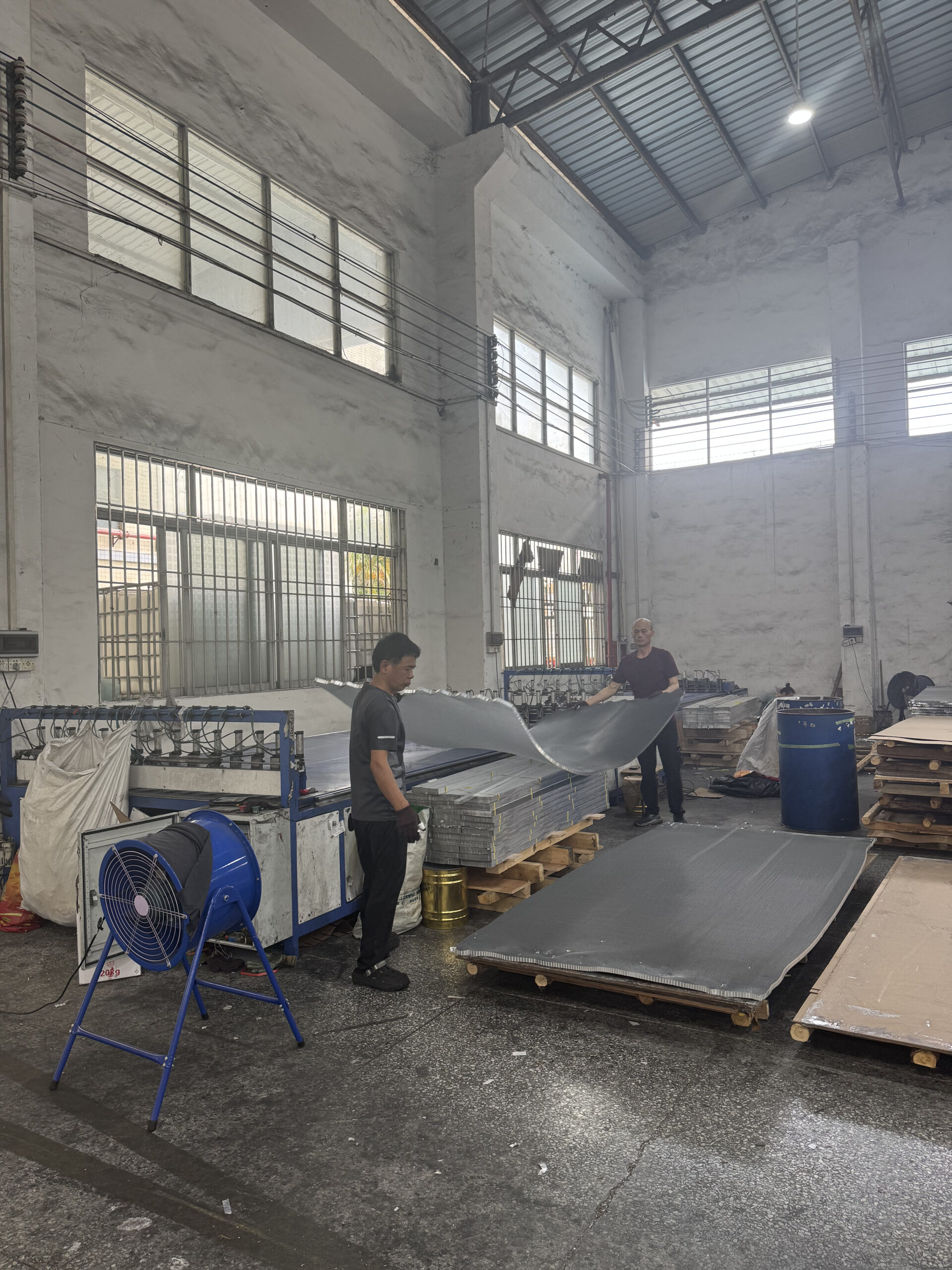
Before requesting a quotation, clarify whether the panels will be supplied in standard sheet formats or require customized cutting and other processing. If edge details, openings, or special dimensions are required, provide drawings or written specifications where available.
Customized processing should be assessed according to the actual requirements. Not every project needs the same operations, so buyers should confirm which services are included in the quotation.
6. Order Quantity and Production Planning
Order quantity can affect production planning, material purchasing, and the way manufacturing costs are allocated across an order. A quotation for a larger batch may differ from one for a smaller quantity, depending on the product specifications and production arrangement.
Meiren Aluminum focuses on B2B manufacturing and supply. The factory's minimum order quantity is generally 500 m² or more, subject to confirmation for the specific product and order.
When requesting a quotation, provide the estimated total area, quantity of panels, delivery destination, and expected purchasing schedule. This information helps the supplier evaluate the order requirements more accurately.
7. Why the Lowest Price Is Not Always the Best Comparison
When comparing suppliers, buyers should make sure that each quotation covers equivalent product specifications. A lower price may reflect differences in material specifications, surface finish, dimensions, processing scope, or other supply conditions.
Before making a decision, compare the following items:
- Aluminum face sheet thickness and specifications
- Honeycomb core specifications
- Overall panel thickness and dimensions
- Surface finish and color requirements
- Included cutting or additional processing
- Order quantity and minimum order requirements
- Packaging, delivery terms, and destination
- Required inspection documents or quality records
A clear specification sheet helps buyers compare quotations on a like-for-like basis and reduces the risk of unexpected differences during production or delivery.
8. What Information Should You Provide When Requesting a Quotation?
To receive a useful quotation for aluminum honeycomb panels, prepare as much of the following information as possible:
- Application: For example, wall cladding, ceilings, furniture, transportation interiors, or another use.
- Panel dimensions: Required length and width.
- Overall thickness: The finished panel thickness.
- Face sheet specifications: Required aluminum thickness and any known material requirements.
- Core specifications: Cell size, core height, and other requirements, if known.
- Surface finish: Color, coating, texture, or decorative finish.
- Quantity: Estimated number of panels or total area in square meters.
- Delivery destination: Country and city, so shipping requirements can be assessed.
If some technical specifications have not yet been decided, explain the intended application and project requirements first. The supplier can then confirm which details are necessary for a comparable quotation.
Frequently Asked Questions
What is the main factor affecting aluminum honeycomb panel price?
There is no single factor that determines the price. Aluminum face sheet thickness, core specifications, overall panel thickness, dimensions, surface finish, processing requirements, and order quantity can all affect the quotation.
Does a thicker aluminum honeycomb panel always cost more?
Not necessarily in every case, because the price also depends on the face sheets, core structure, finish, and processing. However, a change in overall thickness may change the material requirements and manufacturing cost. Buyers should compare the full specifications rather than thickness alone.
Can I request a price based only on panel dimensions?
Dimensions are useful, but they are not enough for an accurate quotation. Buyers should also provide the overall thickness, face sheet specifications, core requirements, surface finish, quantity, and delivery destination whenever possible.
Does customized panel production affect the price?
It can. Customized dimensions, cutting, finishes, or other processing requirements may affect material utilization and production arrangements. The actual effect depends on the specific order.
What is Meiren Aluminum's minimum order quantity?
Meiren Aluminum generally focuses on B2B orders with a minimum order quantity of 500 m² or more. Buyers should confirm the applicable requirements for their specific panel type and project.
Request a Quotation for Aluminum Honeycomb Panels
The most reliable way to compare aluminum honeycomb panel prices is to use a clear and consistent specification. Confirm the panel structure, dimensions, thickness, finish, quantity, and delivery requirements before comparing supplier quotations.
Meiren Aluminum supplies aluminum honeycomb panels for B2B projects, with options for different dimensions, thicknesses, and surface finishes.
Learn more about Meiren Aluminum's aluminum honeycomb panels or contact our team with your project specifications to discuss your requirements.